


Learning to Drive in Melbourne - What Makes Melbourne Unique?
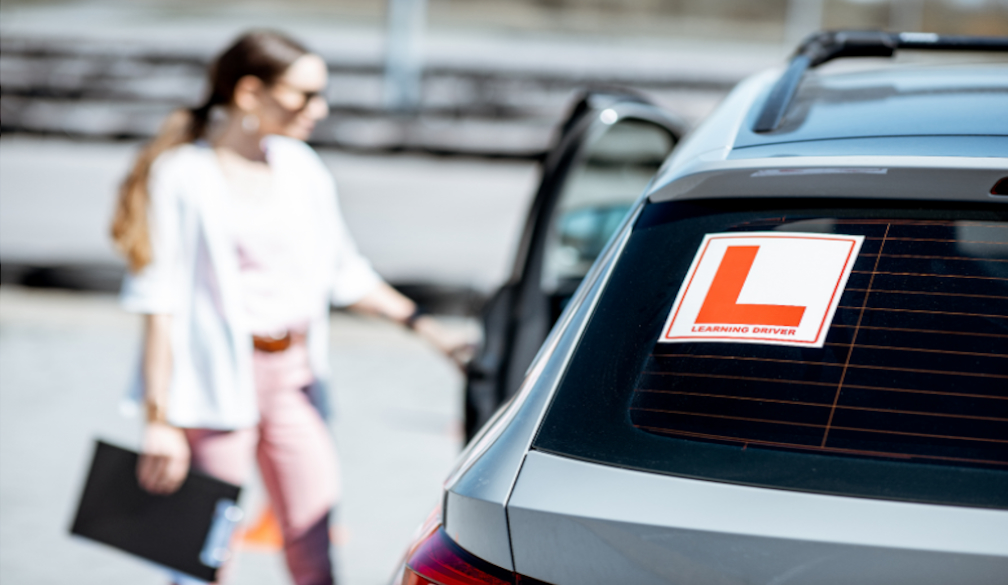
When you start learning to drive, there are, undoubtedly, a great number of challenges you’ll encounter on the roads. But in Melbourne in particular, there are several unique factors you need to take into account while on your L plates, and even, as a fully-fledged driver.
From the notorious hook turn to Melbourne trams, as well as avoiding cyclists, and navigating tollways, speed cameras and alarmingly low bridges, driving around the streets of Melbourne as a learner can be tricky.
Let us guide you through the road obstacles that make Melbourne unique, and how best to tackle these when you are learning to drive.
Low Bridges
Navigating dangerously low bridges is, regrettably, an unfortunate reality of driving in Melbourne. The Montague Street bridge in particular is infamous for posing a risk to any tall vehicle passing under it. So much so, that it has become synonymous with being a crash magnet!
Indeed, the number of trucks that get stuck beneath the South Melbourne street’s underpass verges on ridiculous. As many as 11 bridge impacts have been recorded at this particular site since 2018! Of course, this is just one example of the low bridges that pose a hazard on Melbourne’s roads. Concerningly, there are many more, scattered around several different locations around the city.
Hook Turns
Ah, the Melbourne hook turn. This is, in many ways, a distinctly Melbourne thing. That is not to say that hook turns don’t exist in other parts of the world. But when it comes to Australian cities, interstate visitors to Melbourne are certainly shocked when they come across one - to the point where online travel forums discussing the Melbourne oddity and begging the question, “Have I got this right?”, have emerged.
So, how do you do it? Essentially, a hook turn involves turning right from the left lane. Odd as this may sound, Melbourne road experts claim that they are necessary, especially in the CBD. This is because, according to them, hook turns help minimise traffic and improve road safety. This is especially evident around trams, which are another distinctly Melbourne aspect. A hook turn can stop a Melbourne driver from turning onto tram tracks and avoid getting into a head-on collision with an oncoming tram.
Trams
On the subject of trams, this is another factor that is almost uniquely Melbourne. And with trams, come their own set of road rules that a learner driver has to navigate.
But whether you’re for or against this particular mode of transportation, the fact is that Melbourne trams are iconic. To celebrate this, Public Transport Vitoria even offers a free tram zone in the centre of the city.
Cyclists
Melbourne cyclists, while not in quite the same league as cyclists in Amsterdam (the self-proclaimed bike capital of the world), are still a hazard to contend with on Melbourne roads.
The allocation of space for bikes on Melbourne streets is, admittedly, somewhat confusing, and at times, very inconsistent. In some areas, dedicated bike lanes have been created for cyclists to segregate them from on-road traffic. In others, cyclists join motorists, and share the streets with cars and other vehicles - putting them right in the thick of it!
Toll Roads
Also known as Citylink, Melburnian toll roads, like in other places in the world, incur charges to drive on them. These tolls can be expensive, especially if you didn’t mean to get onto the tollway.
The good news? Most satellite GPS or Map applications allow the option to ‘avoid tolls’,
meaning they will reroute your drive away from Citylink if you start to approach it.
Speed Cameras
There are so many speed cameras in Melbourne, that a frustrated Melburnian developer has even gone to the effort of creating an app that tells drivers where the cameras are located to help them avoid being caught. The app details offending street names and precise camera locations.
Of course, this somewhat defeats the road safety purpose of the cameras being installed, as it allows speedy drivers to simply slow down when they approach the risk of being photographed. On the flipside, speeding fines in Melbourne can be hefty, so it is understandable that Melbourne drivers want to avoid them!