


Calculating How Many Solar Panels My Home Needs
- Written by: NewsServices.com
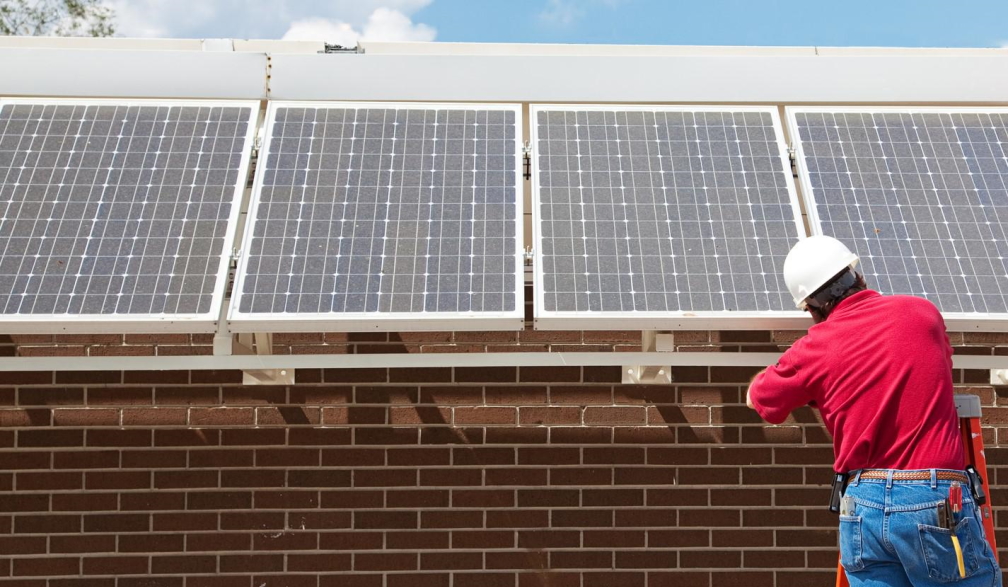
The demand for clean energy is higher now due to the need to maintain sustainability in the future. Solar energy is cheaper and more reliable than other renewable sources, such as wind and hydroelectric power.
Most Australian homeowners are switching to solar energy to save on high energy costs while reducing their carbon footprint. So how many solar panels does your home need?
Let's discuss calculating this number to help you plan for a sustainable future without power bills.
Understanding Your Power Usage
Once you understand your average power usage, it’s easy to determine how many solar panels will be necessary to run your home efficiently.
Your usage depends on the number and type of appliances, frequency of use, and the number of people living in the home. You can check your average monthly power usage on your last monthly bill.
Most power companies include your power usage over the last twelve, six, or three months on the bill. You can add up the numbers to estimate your annual use or divide them to calculate the daily usage.
Solar Panel Output Options
The output of solar systems is in kilowatts (kW) or watts (W), and different solar panels have varying wattages and power levels. For example, a 300W solar panel can produce 300-watt hours of electricity every hour in optimum conditions.
The average daily output for 1kW of solar panels is 4kWh of electricity. Therefore, a 6.6kW solar system generates about 26.4kWh on average.
Installation Considerations
The best solar system for your home depends on how much you intend to save on electricity. Consider whether you prefer self-sufficiency using batteries or if you'd like to supplement your power during the day.
Ensure you have clear goals about your energy requirements from the solar system. These goals will determine the size of your system, the number of panels, and the design for future expansion.
If you can only afford a small system currently that doesn't cover 100% of your needs, it will reduce your electricity costs immediately. You can use the savings to expand your system and buy more batteries.
Your Future Energy Goals
Every homeowner expects the solar system to last for many years. Before you install yours, ensure you consider your anticipated future power consumption.
You can consider future needs such as:
-
- Plans to start or expand your family
-
- Adding accessories such as a swimming pool because pumps will use more power
-
- Purchasing an electric car
-
- Starting a home business or working from home full time
-
- Switching to electricity for cooking and hot water, which is an excellent idea with solar power
-
- Enhancing your home's resale value if you plan to sell
Calculating the Size of Your Solar Energy System
Your average monthly usage helps you calculate the right solar system size, that is, 5kW, 7kW or more.
Since 1kW of solar panels generate 4kWh of electricity daily, you'll divide your usage by 4kW. For example, if your daily usage is 13.6 kW, 13.6 kWh / 4 kWh = 3.4 (3 kW system)
Most solar panels have an average wattage of 300 watts and above. You can divide the total kW with this output to estimate the total number of panels required.
Conclusion
There’s no doubt solar energy is the future. Besides the zero carbon footprint and sustainability, solar systems are cheaper to install and easier to maintain.
The best part about solar power is that you can add it to your system as your needs increase. You can start with the system you can afford and expand or upgrade in the future. Contact a licensed electrician for your solar panel installation and discover the freedom of zero power bills.