

Hong Kong Baptist University joint research suggests that urine cytomegalovirus test facilitates early prediction of AIDS end-organ diseases
- Written by Telegraph Magazine
HONG KONG SAR - Media OutReach - 4 May 2023 - A Hong Kong Baptist University (HKBU) collaborative research team has shown that urine tests for human cytomegalovirus (HCMV) can identify the risk of end-organ diseases such as pneumonitis, gastrointestinal ulcers, hepatitis and myocarditis, earlier in patients who have been infected with human immunodeficiency virus type 1 (HIV-1).
The findings suggest that HCMV detection in urine should be implemented as a routine test for HIV-1 patients who are progressing towards acquired immunodeficiency syndrome (AIDS), as anti-HCMV treatments could reduce the incidence of lung and cardiovascular end-organ diseases by half. 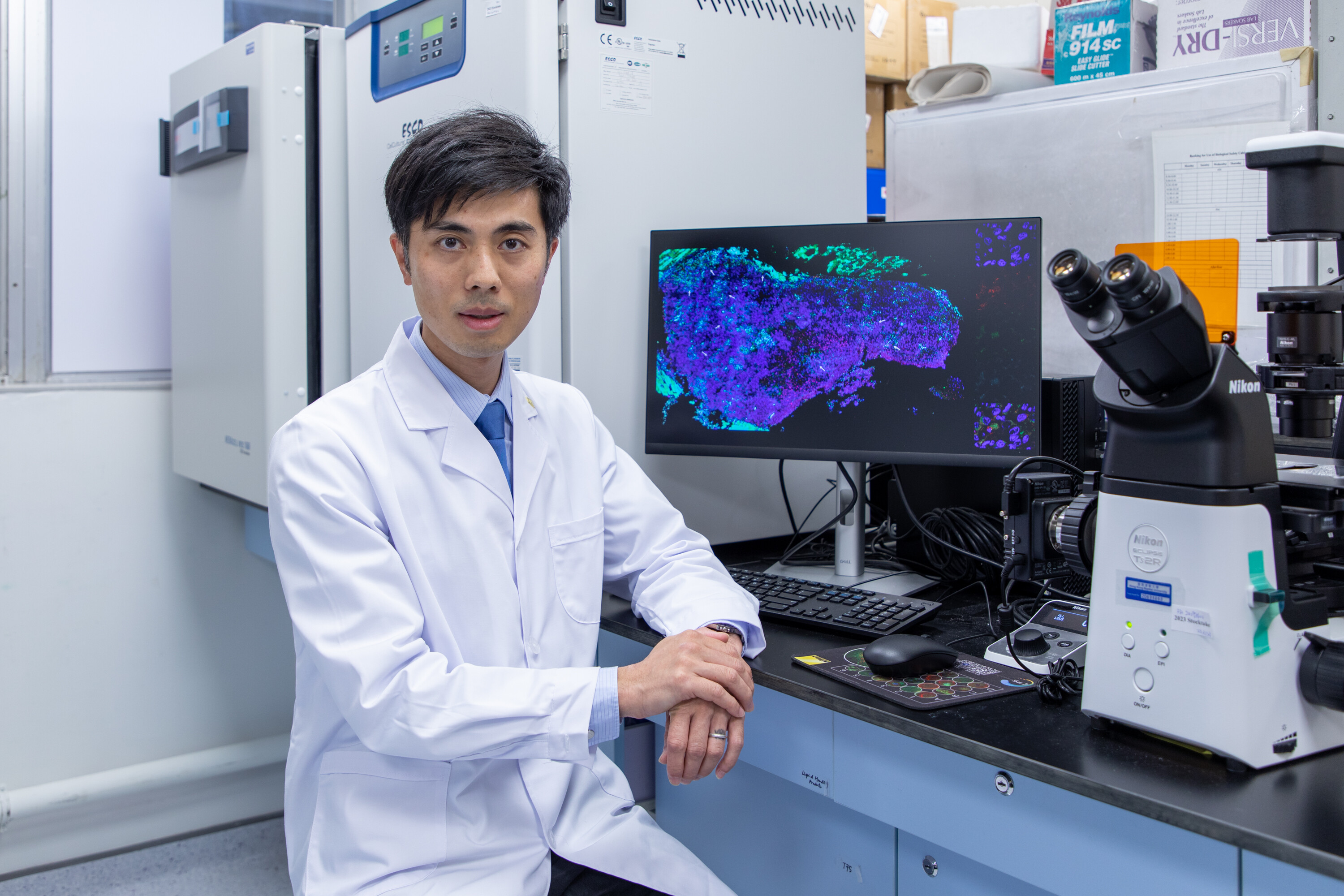
The research findings have been published in the Journal of Clinical Virology, an international scientific journal.
No routine HCMV check-ups for HIV-1 patients
HIV-1 infection is divided into four clinical stages. In the first stage, patients are infected and some experience mild illnesses such as a cold without any apparent symptoms. HIV-1 infection then slowly progresses towards AIDS in the second and third stages of infection. These two stages, collectively regarded as the "developing" stage, usually last several years if they are comprehensively controlled by a range of medications before developing into AIDS, which represents the fourth stage of HIV-1 infection.
HCMV is a DNA virus found in more than half of the human population. It is controlled by an intact immune system and remains dormant in healthy individuals. However, it can be reactivated in patients with poor immune systems, such as those in the fourth stage of HIV-1 infection, and as a result it can become one of the major opportunistic infections that cause life-threatening end-organ diseases. In Hong Kong, HCMV detection is not part of the routine check-ups for HIV-1 patients unless they suffer from apparent end-organ diseases. In such cases, blood tests are the preferred method of detection.
A research team co-led by Dr Allen Cheung Ka-loon, Assistant Professor of the Department of Biology at HKBU, and Professor Chen Zhiwei, Professor of the Department of Microbiology, LKS Faculty of Medicine at the University of Hong Kong, in collaboration with researchers from the Third People's Hospital of Shenzhen, investigated the detection of HCMV in urine for the continuous monitoring of end-organ disease risk in HIV-1 patients. They also examined the relationship between HCMV detection and end-organ diseases in HIV-1 patients in the "developing" stage.
Easier to detect HCMV in urine than in blood
The team screened the records of more than 130,000 HIV-1 patients in Shenzhen between January 2011 and June 2022, and selected about 13,700 patients with relevant blood and urine test records. They were grouped according to the four stages of HIV-1 infection, and the results of their HCMV blood and urine tests were then compared.
It was discovered that in all the four patient groups, the proportions of patients found to be HCMV-positive were higher in the urine samples than in the corresponding blood samples. The situation was particularly obvious for HIV-1 patients in the "developing" stage. Urine tests showed that 5.8% of second-stage HIV-1 patients were HCMV-positive compared to only 0.9% using blood tests. The proportions of third-stage HIV-1 patients found to be HCMV-positive using urine and blood tests were 12.8% and 1.4%, respectively. This suggests that HCMV is more easily detected in urine than in the blood, especially during the "developing" stage of HIV-1 infection.
The researchers further filtered 233 "developing" stage HIV-1 patients with detailed clinical and disease records to evaluate the association between HCMV and the onset of different types of end-organ diseases. Statistical analysis revealed that there is a significant association between the incidence of lung and cardiovascular end-organ diseases and the detection of HCMV in urine.
Early anti-HCMV treatment lowers the risk of end-organ diseases
To study the effect of early interventions with anti-HCMV treatments, the team tracked the data of 54 "developing" stage HIV-1 patients who had been hospitalised at least once. They were divided into three groups: those who received no anti-HCMV treatments, those who received treatments but not during each round of hospitalisation, and those who received treatments during all rounds of hospitalisation.
The data showed that those who received anti-HCMV treatments in all rounds of hospitalisation had the lowest incidence of lung and cardiovascular end-organ diseases. Furthermore, compared to those who had not received anti-HCMV treatments, the incidence of such end-organ diseases in patients who had received the treatments was reduced by half. This suggests that continuous anti-HCMV treatments are effective in reducing the onset of lung and cardiovascular end-organ diseases in patients who are progressing towards AIDS.
Dr Allen Cheung said: "Patients have to face a difficult journey once they have tested positive for HIV. They are often at risk of developing end-organ diseases without any apparent symptoms. Our study shows that routine urine tests for HCMV can monitor the development of end-organ diseases more effectively, which signals the need for early medical intervention. We thus recommend that HCMV detection in urine should be implemented as a routine test for HIV-1 patients."
Hashtag: #HIV #HKBU
The issuer is solely responsible for the content of this announcement.


