

The Versatile and Invaluable Material: An Exploration of Stainless Steel
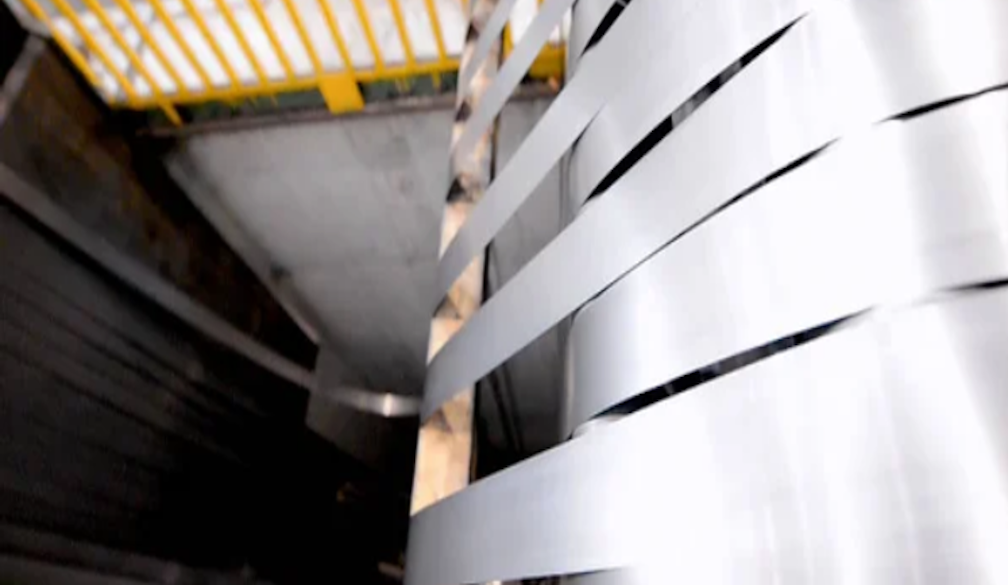
Stainless steel is integral to various industries, its usage spanning from intricate architectural designs to essential components in medical equipment. With its unique blend of durability, corrosion resistance, and aesthetic appeal, stainless steel sheet plays a pivotal role in manufacturing, construction, and beyond.
The Composition and Creation of Stainless Steel
Stainless steel is primarily composed of iron, chromium, and varying amounts of carbon and other elements such as nickel, manganese, and molybdenum. This alloying process bestows upon stainless steel its hallmark properties, chief among them being resistance to rust and staining. By convention, any steel containing at least 10.5% chromium qualifies as stainless steel. The chromium forms a passive layer of chromium oxide when exposed to oxygen, which prevents surface corrosion and blocks the penetration of oxygen into the underlying metal.
From annealing to cold rolling, the production of stainless steel sheets involves numerous meticulous processes. These methods are crucial in determining the material’s final characteristics, such as thickness, finish, and mechanical properties. The cold rolling process, in particular, enhances the sheet’s strength and surface finish, making it ideal for applications demanding a high degree of precision.
Diverse Applications of Stainless Steel Sheets
The adaptability of stainless steel sheets contributes significantly to their widespread application across various sectors. In the architectural realm, stainless steel sheets are prized for their strength and aesthetic qualities. They are used extensively for cladding, roofing, and interior accents. Moreover, the material's resistance to extreme weather conditions and corrosion makes it a preferred choice in creating durable exteriors.
In the medical field, stainless steel sheets form the backbone of many surgical instruments and structural components within complex machinery. Their non-reactive and hygienic nature is indispensable in environments where sterility is paramount.
Additionally, the automotive and transport industries leverage stainless steel's strength and malleability. Its corrosion resistance is critical in manufacturing exhaust systems and other components exposed to the elements. Here, the material's ability to withstand high temperatures and corrosive environments without degrading is crucial.
Advantages of Thin Stainless Steel Sheets
Thin stainless steel sheets appeal particularly to manufacturers due to their light weight, flexibility, and high strength-to-weight ratio. These properties allow for easier fabrication into various forms without compromising the structural integrity of the final product.
From an environmental standpoint, stainless steel is fully recyclable, reducing the ecological impact of production processes and conserving resources. Post-consumer stainless steel can be remelted and fashioned into new products, maintaining the alloy's advantageous properties.
Thin stainless steel sheets are favoured for applications where both form and function are critical. They are often utilised in the production of household appliances and electronic housings, where precision and a sleek finish are imperative.
Technological Advancements in Stainless Steel Production
Recent technological innovations have revolutionised stainless steel production, enhancing both quality and efficiency. Laser cutting, for instance, allows for high-speed production of precise and intricate shapes without causing any deformation to the material. Such advancements open up new possibilities for creative and technical applications, pushing the boundaries of design and engineering.
Electropolishing is another process making notable strides. By removing a thin layer of metal ions, electropolishing offers stainless steel sheets a highly smooth and reflective surface finish, further boosting their aesthetic appeal. It also enhances corrosion resistance by creating an optimal chromium-to-iron ratio on the surface.
Challenges and Developments in the Industry
Despite its many benefits, working with stainless steel can present challenges. The material's hardness and resistance to deformation require specialised equipment and techniques such as TIG or MIG welding to join sheets effectively. Such precision demands skilled operators, adding another layer of complexity to fabrication processes.
However, ongoing research and development continue to mitigate these challenges. New alloys and composite materials are regularly introduced, tailored to meet specific industry requirements. With improvements in manufacturing technologies, the environmental footprint of stainless steel production is also being addressed, aligning with global sustainability goals.
The Future of Stainless Steel in Modern Industry
As industries evolve, the demand for stainless steel sheets is poised to grow. The development of smart materials and intelligent manufacturing processes will likely enhance the capability and efficiency of stainless steel applications. Its role as a critical material in the renewable energy sector, particularly in the production of solar panels and wind turbines, underscores its expanding relevance.
Advancements in architecture, transportation, and technology will continue to drive innovations in stainless steel use. Its ability to adapt to varied conditions and needs ensures that stainless steel remains at the forefront of modern material science, paving the way for groundbreaking developments in numerous fields.


