

Why Corten Steel Is A Preferred Material For Durable And Weather-Resistant Applications
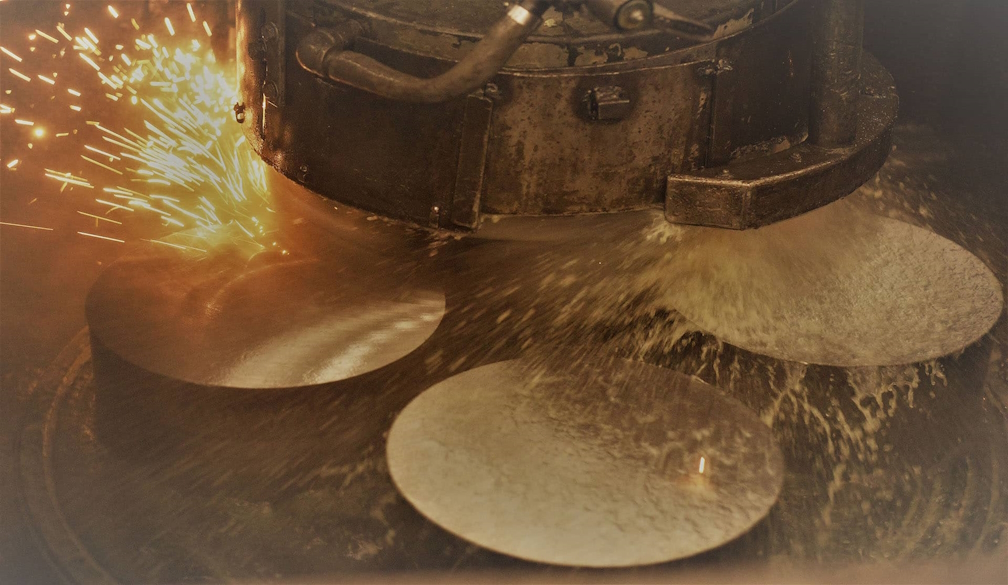
In environments where materials are exposed to the elements and long-term durability is essential, corten, commonly referred to as corten steel, has become a preferred choice across architectural, structural, and industrial applications. Known for its distinctive weathered appearance and exceptional resistance to atmospheric corrosion, corten steel offers both functional and aesthetic advantages.
Unlike conventional steel, corten steel is designed to form a stable rust-like surface when exposed to weather conditions. This protective layer acts as a barrier, preventing further corrosion and eliminating the need for additional coatings. As a result, corten steel is widely used in projects that require both strength and low maintenance.
Understanding The Composition And Weathering Process
Corten steel is an alloy that contains elements such as copper, chromium, and nickel, which enhance its resistance to corrosion. When exposed to moisture and oxygen, the steel undergoes a controlled oxidation process, forming a protective patina on its surface.
This patina is not just cosmetic; it plays a critical role in protecting the underlying material from further degradation. Over time, the layer stabilises, ensuring that the steel maintains its structural integrity even in harsh environments.
Applications Across Architecture And Industry
Corten steel is widely used in architectural applications due to its unique appearance and durability. It is commonly seen in building facades, bridges, and outdoor installations where both aesthetics and performance are important.
In industrial settings, corten steel is used for structures and equipment that are exposed to environmental conditions. Its ability to withstand weathering makes it suitable for applications such as storage tanks, containers, and heavy machinery components.
Advantages Of Using Corten Steel
One of the main advantages of corten steel is its ability to resist corrosion without the need for painting or protective coatings. This reduces maintenance requirements and lowers long-term costs.
The material’s strength also makes it suitable for structural applications, ensuring that it can handle load and stress effectively. Its durability contributes to long-lasting performance, even in challenging conditions.
Aesthetic Appeal And Design Flexibility
Corten steel is known for its distinctive appearance, which evolves over time as the patina develops. This natural ageing process creates a unique finish that is often used in architectural and design projects.
The material can be cut, shaped, and fabricated to meet specific design requirements, allowing for creative and functional applications. This combination of aesthetics and performance makes corten steel a versatile choice.
Environmental Benefits And Sustainability
Corten steel supports sustainable practices by reducing the need for additional coatings and maintenance. Its long lifespan also minimises the need for replacement, reducing material consumption over time.
The ability to use the material without painting reduces the use of chemicals and contributes to a more environmentally friendly approach. This aligns with modern sustainability goals in construction and manufacturing.
Durability In Harsh Environmental Conditions
Corten steel is designed to perform in environments where traditional materials may fail. Its resistance to weathering makes it suitable for outdoor applications, including exposure to rain, wind, and temperature fluctuations.
This durability ensures that structures remain stable and functional over time, even in demanding conditions. It also reduces the risk of structural degradation.
Design Considerations For Optimal Use
While corten steel offers many advantages, proper design considerations are essential for ensuring optimal performance. Factors such as drainage, exposure conditions, and structural requirements must be taken into account.
Ensuring that water does not accumulate on the surface helps maintain the integrity of the patina. Proper installation and design ensure that the material performs as intended.
Maintenance And Longevity
One of the key benefits of corten steel is its low maintenance requirements. Once the protective patina has formed, the material requires minimal upkeep to maintain its performance.
Periodic inspections may be necessary to ensure that the structure remains in good condition. Overall, corten steel offers long-term reliability with reduced maintenance efforts.
Integration With Modern Construction Practices
Corten steel is compatible with modern construction and fabrication techniques, making it suitable for a wide range of applications. Its adaptability allows it to be used in both traditional and innovative projects.
The material’s combination of strength, durability, and aesthetic appeal ensures that it remains a valuable choice in contemporary design and engineering.
Conclusion
Corten steel is a durable and versatile material that offers exceptional resistance to weathering while providing a distinctive appearance. Its ability to combine strength, low maintenance, and aesthetic appeal makes it a preferred choice for both industrial and architectural applications. With proper design and installation, corten steel delivers long-term performance and contributes to efficient and sustainable construction practices.


