


Roller Operator Ticket Training: Overcoming Common Challenges
- Written by: NewsServices.com
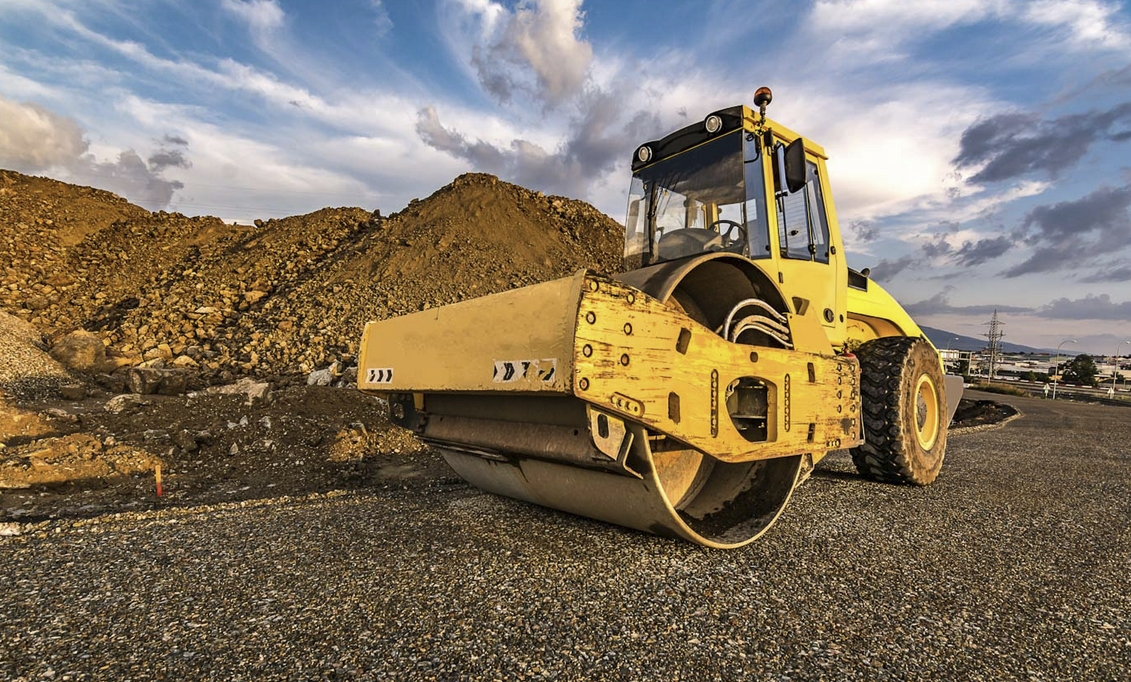
Roller operator ticket training is an essential component of the civil construction industry. To gain certification, roller operators must demonstrate proficiency in safety protocols and have extensive knowledge and experience. Unfortunately, many operators face common challenges when trying to obtain their roller operator tickets - from understanding the basics of the job itself to passing exams with flying colors. Proper instruction can assist aspiring roller operators in overcoming any difficulties they may face, equipping them with the skills and knowledge needed to excel in their field. In this article we'll discuss some of those common challenges faced by roller operators and how proper training can help address them.
Understanding the Basics of Roller Operator Ticket Training
Roller operator ticket training provides knowledge of the different roller varieties, their functions, and capabilities. Obtaining a roller operator ticket can provide numerous benefits for those looking to work in this field. For starters, it can open up job opportunities with employers who require certified personnel to handle their equipment. Furthermore, having a roller operator ticket may also make one eligible for higher pay or promotions within their current role.
When obtaining a roller operator ticket there are certain requirements that must be met before being approved for certification. The first requirement is passing both written and practical tests which assess knowledge on topics such as safety protocols, operating procedures, maintenance guidelines and more. In addition to passing these tests applicants must also have experience working with similar machinery as well as proof of completed training courses related to the specific type of roller they will be operating (i.e., pneumatic tire compactor vs vibratory padfoot).
There are several different types of roller operator tickets available depending on the type of machine being operated and its purpose (i.e., soil compaction vs asphalt paving). Each requires different levels of skill sets so it is important to research what kind would best suit your needs before beginning any coursework or applying for certifications. Before beginning any programs or classes from registered training organizations (RTOs), it is essential to check local regulations as some tickets may be restricted to particular areas.
Learning the basics of roller operator ticket training is essential to becoming a successful and certified roller operator. Though obtaining certification may be difficult due to various hindrances, with proper guidance and support these can be surmounted.
Key Takeaway: As an advanced professional, I can confidently say that obtaining a roller operator ticket is essential for those looking to work in the civil construction industry. It requires passing written and practical tests as well as having experience with related machinery before being certified - so brush up on your skills and get ready to roll.
Common Challenges in Roller Operator Ticketing
Roller operator ticketing can be a challenging process for those who are unfamiliar with the requirements and don’t have access to resources or equipment. Obtaining a roller operator ticket requires knowledge, experience, and specialized instruction that is often hard to come by.
Lack of Knowledge and Experience:
A lack of knowledge about the safety protocols involved in operating heavy machinery can make it difficult to pass the necessary tests required for obtaining a roller operator ticket. Without prior experience in the construction domain, it can be hard to comprehend the functionality of diverse rollers and their individual roles. Additionally, some operators may not have had sufficient training in understanding regulations related to working around hazardous materials or using personal protective equipment (PPE).
Limited Access to Resources and Equipment:
Those seeking a roller operator ticket may find themselves at an even greater disadvantage if they do not have access to resources such as textbooks or simulations that help them gain familiarity with the machines they will be operating. In addition, without having hands-on practice with actual pieces of equipment like bulldozers or excavators, potential operators may struggle when taking tests related to these machines.
Physical Limitations or Disabilities:
People with physical limitations or disabilities face unique challenges when attempting to obtain a roller operator ticket due diligence must be taken during testing procedures so that individuals who need special accommodations receive them appropriately . For instance , those who cannot physically operate certain machines should still receive proper instruction from qualified trainers so that they understand how the machine works before being tested on its use .
By enrolling in professional training courses specifically designed for civil construction industry workers, people can overcome the common challenges associated with obtaining a roller operator's license. Professional trainers provide students with both theoretical knowledge through lectures as well as practical skills through hands-on exercises using real-life scenarios. They also offer personalized support based on each student's individual needs, allowing everyone equal opportunities regardless of any physical impairments they might have.
Although roller operator ticketing can be a challenging process, with the right training and resources, these obstacles are easily overcome. Professional courses provide an effective way to gain knowledge and experience while adapting to physical limitations or disabilities.
Key Takeaway: Obtaining a roller operator ticket can be difficult, especially if you lack the knowledge and experience required or have limited access to resources and equipment. Professional training courses designed for civil construction industry workers provide students with both theoretical knowledge and practical skills in order to level the playing field so everyone has an equal shot at success.
Overcoming Challenges with Professional Training
Professional training is essential for those in the civil construction industry who wish to obtain a roller operator ticket. Training courses can provide knowledge and experience, access to resources and equipment, as well as specialized instruction for those with physical limitations or disabilities.
Gaining Knowledge and Experience Through Training Courses: To become a certified roller operator, individuals must have an understanding of how rollers are used in the construction process. Professional training courses offer comprehensive instruction on the fundamentals of operating rollers safely and effectively. Trainees are given the chance to get hands-on experience with genuine machinery, thus allowing them to acquire practical abilities they can apply in their working environment. Additionally, experienced instructors guide learners through complex topics like risk management and safety protocols which are necessary for successful operations.
Accessing Resources and Equipment Through Professional Trainers: Many people don’t have access to their own rollers or other necessary equipment needed to complete their certification coursework. Fortunately, professional trainers often provide access to these tools during classes so that learners can get familiar with different models of machinery before taking their final exam. This gives students more confidence when it comes time to take the test since they will already be comfortable working with various types of equipment available in the field.
Those with physical limitations or disabilities should not be disheartened from attaining a roller operator ticket, as specialized programs are available to assist them in achieving certification without compromising safety regulations. Instructors customize curriculums based on individual needs, providing modified activities such as simulators instead of actual machines if necessary, while ensuring high-quality learning outcomes and upholding the standards set by governing bodies within this sector.
Finding quality training programs is key when looking into becoming a certified roller operator. Look out for accreditation from recognized organizations like The National Centre for Construction Education & Research (NCCER). Additionally, consider whether any additional certifications are offered upon completion such as OSHA 10 hour cards which could help give you an edge over other applicants vying for similar positions down the line.
Key Takeaway: For those in the civil construction industry seeking to become a certified roller operator, professional training courses provide comprehensive instruction on operating rollers safely and effectively. Moreover, specialized programs are available for individuals with physical limitations or disabilities so they can 'get up to speed' and gain certification without compromising safety regulations.
Conclusion
By understanding the basics of roller operator ticketing and being aware of common challenges, you can be well-prepared when seeking professional training. With the right instruction, it's possible to overcome these obstacles and become an experienced roller operator with confidence. Make sure your next step towards success includes comprehensive roller operator ticket training.
Diggerman Training provides comprehensive roller operator ticket training to ensure that civil construction professionals have the skills and knowledge they need for success. Register today and become a certified professional in no time!