


Elevate Your Outdoor Lifestyle With Beautiful Timber Decking Design Ideas
- Written by: Telegraph Magazine
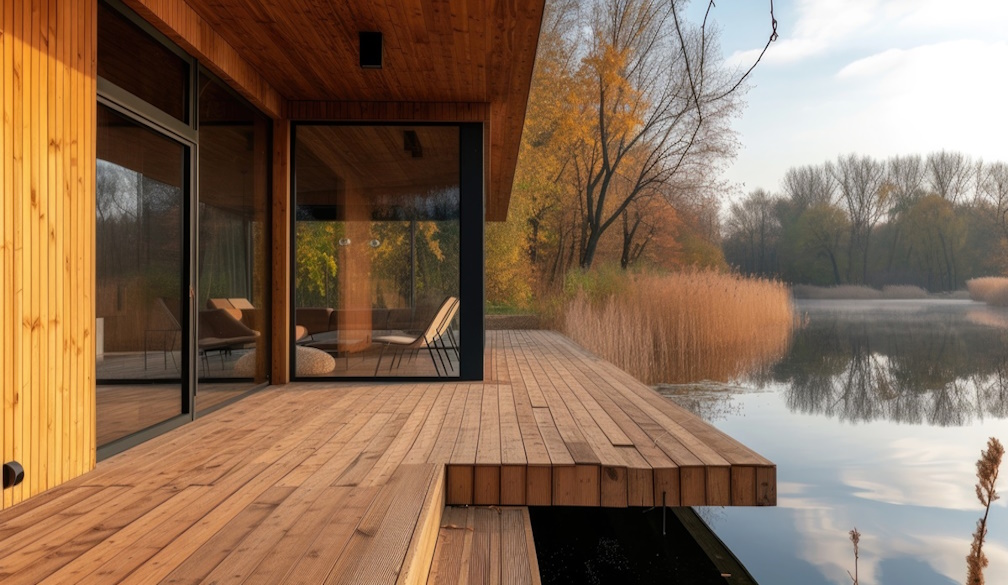
Imagine stepping out from your living room onto a warm, inviting surface that seamlessly extends your indoor space into the great outdoors. This dream becomes a reality with a well-designed timber deck, transforming an ordinary backyard into a functional and aesthetically pleasing extension of your home. A thoughtfully planned outdoor area can become the heart of your home, a place for relaxation, entertaining, and making cherished memories.
In our climate, embracing outdoor living is practically a national pastime. A quality timber deck provides the perfect foundation for this, offering a durable and attractive platform for everything from morning coffees to evening barbecues with mates. When considering how to enhance your property, exploring the vast possibilities of beautiful timber decking solutions can truly elevate your everyday experience and add significant value.
The undeniable appeal of timber decking
There's something inherently appealing about timber. Its natural warmth and tactile quality make it a preferred material for outdoor structures that are meant to be lived on and enjoyed. Unlike stark concrete or cold tiles, timber invites you to kick off your shoes and truly relax, connecting you with nature right at your doorstep.
Beyond its immediate charm, timber decking offers a wealth of benefits that contribute to both your lifestyle and your home's overall value. From its aesthetic versatility to its robust performance, a timber deck is a smart investment that pays dividends in enjoyment and curb appeal.
Natural beauty and timeless elegance
Timber brings an organic beauty that no synthetic material can truly replicate. Each board tells a story with its unique grain patterns, knots, and natural colour variations, creating a one-of-a-kind surface. This inherent character ensures that your deck will possess a timeless elegance, complementing a wide range of architectural styles from traditional Queenslanders to modern coastal homes.
The aesthetic appeal of timber also evolves over time. Some timbers develop a beautiful silver-grey patina when left to weather naturally, while others retain their rich hues with regular maintenance. This adaptability means your deck can continue to enhance your outdoor space for many years, always looking distinguished and inviting.
Durability and longevity
When properly selected and installed, a timber deck is incredibly resilient and built to withstand the rigours of our diverse weather conditions. Many timber species naturally possess properties that make them resistant to pests, rot, and decay, ensuring a long lifespan with appropriate care.
The secret to a long-lasting deck often lies in choosing the right timber for the local environment and ensuring quality installation. With a bit of regular maintenance, such as cleaning and re-oiling, your timber deck can remain a stunning feature of your home for decades, providing countless hours of enjoyment.
Enhanced outdoor living and increased property value
A well-designed timber deck transforms underutilised outdoor areas into versatile living spaces. It provides a flat, clean surface perfect for outdoor dining, lounging, or even a dedicated play area for the kids. This expansion of your functional living space significantly enhances your outdoor lifestyle, making your home more enjoyable and practical.
Furthermore, adding a high-quality timber deck is a proven way to increase your property's market value. Potential buyers are often drawn to homes with attractive, ready-to-use outdoor entertaining areas. It signals a well-maintained home that offers an enviable lifestyle, making it a sound financial investment.
Choosing the right timber for your deck
The sheer variety of timbers available can be overwhelming, but selecting the right species is crucial for the success and longevity of your decking project. Factors like climate, intended use, desired aesthetic, and budget all play a role in making the best choice. Understanding the differences between timber types will help you narrow down the options.
Each timber has its own unique characteristics, from its natural colour and grain to its density and natural resistance to pests and decay. Taking the time to research and consider these properties will ensure your deck not only looks fantastic but also performs beautifully for many years.
Hardwood versus softwood
The primary distinction in timber types for decking often comes down to hardwood versus softwood. Hardwoods, typically sourced from deciduous trees, are renowned for their density, strength, and durability. They are generally more resistant to dents, scratches, and the elements, making them an excellent choice for high-traffic areas and long-term investment.
Softwoods, on the other hand, usually come from coniferous trees and are generally faster-growing and more affordable. While naturally less dense than hardwoods, many softwoods are treated to enhance their durability and resistance to rot and insects, making them a viable option for decking, particularly where budget is a key consideration. They can also be easier to work with during installation.
Popular Australian timber species for decking
Our local environment offers some fantastic timber species that are perfectly suited for decking. Spotted Gum, for instance, is a highly durable hardwood with an attractive wavy grain and a colour range from light browns to dark reds. It’s naturally resistant to termites and bushfire, making it a popular choice.
Jarrah is another iconic hardwood, famous for its deep red-brown hues and exceptional strength, ideal for heavy-duty applications. Blackbutt offers a paler, more uniform appearance, ranging from cream to light brown, and is also highly durable and fire-resistant. For those seeking imported options, ethically sourced Merbau provides a rich, consistent reddish-brown colour and good stability, though it's important to ensure it comes from sustainable sources.
Considering sustainability and ethical sourcing
In today's world, the environmental impact of our choices is more important than ever. When selecting timber for your deck, consider its origin and whether it has been sustainably and ethically sourced. Look for certifications like Forest Stewardship Council (FSC) or Programme for the Endorsement of Forest Certification (PEFC).
These certifications ensure that the timber has been harvested from responsibly managed forests, protecting biodiversity and supporting local communities. Choosing certified timber not only gives you peace of mind but also contributes to global efforts in forest conservation, making your beautiful deck a responsible choice.
Designing your dream timber deck: Key considerations
Once you've settled on your preferred timber, the real fun begins: designing the deck itself. This stage involves visualising how the deck will integrate with your home and garden, and how it will function as an extension of your living space. A well-thought-out design will maximise usability and aesthetic appeal, ensuring your deck meets all your needs.
Careful planning at this stage can save headaches and costly revisions down the track. Consider how you'll use the space, who will be using it, and what kind of atmosphere you want to create. This holistic approach will lead to a truly bespoke and enjoyable outdoor area.
Site assessment and planning
Before any boards are laid, a thorough site assessment is paramount. Consider the orientation of your property to understand sunlight exposure throughout the day and across seasons. This will influence where you place seating areas or shade structures. Good drainage is also critical; ensure water will flow away from your house and not pool under the deck.
Take into account any existing landscaping features, like mature trees or garden beds, and how the deck will integrate with them. Crucially, always check with your local council regarding building regulations and permits for decking. Understanding these requirements early can prevent significant delays and ensure your project complies with all necessary standards.
Decking layout and shape
The layout and shape of your deck can dramatically alter the feel and functionality of your outdoor space. A simple rectangular deck might suit a smaller backyard, while a multi-level design can add architectural interest and create distinct zones for different activities, such as dining and lounging. Curved edges can soften the lines of a contemporary home and integrate more fluidly with natural garden shapes.
Think about the flow from inside your home to the deck and then into the garden. Will it be a seamless transition? Consider outdoor pergolas, pathways, steps, and how the deck will connect different areas of your outdoor living. A well-planned layout enhances both usability and visual harmony.
Integrating features and amenities
To truly elevate your outdoor living experience, consider integrating various features and amenities into your timber deck design. Built-in seating can provide comfortable spots for relaxation while saving space and offering a cohesive look. Planters integrated into the deck structure can bring greenery closer, softening the edges and adding a touch of nature.
Lighting is another crucial element, transforming your deck from day to night. strategically placed LED strip lights, post lights, or uplighters can create ambience and ensure safety. For ultimate comfort, consider a pergola or shade structure. A pergola can provide relief from harsh summer sun while still allowing airflow, making your outdoor space comfortable even on warmer days. You can enhance it further with retractable awnings, outdoor blinds, or climbing plants to create a lush, resort-style feel. These additions turn timber decking into a true outdoor room rather than just a platform.
Conclusion
A thoughtfully designed timber deck is more than just an outdoor feature—it’s an investment in lifestyle, comfort, and long-term value. From its natural beauty and durability to its ability to seamlessly extend your living space, timber decking offers a timeless solution for enhancing how you enjoy your home. With the right timber selection, smart design choices, and a focus on sustainability, you can create an outdoor area that reflects your personal style while standing up to Australia’s conditions.
Whether you’re entertaining guests, relaxing with family, or simply enjoying a quiet moment outdoors, timber decking provides a warm and inviting foundation for everyday living. By combining practical planning with quality materials, your deck can become a standout feature that elevates your outdoor lifestyle for years to come.
Also Read: What are the key benefits of choosing timber decking for your garden?


