


GIA Redefines Lab-grown Diamond Grading Standards Discontinuation of 4Cs Grading System Enhances Differentiation Between Natural and Lab-Grown Diamonds
- Written by: Telegraph Magazine
Beginning at the end of 2025, GIA will cease using the internationally recognized 4Cs grading system (Cut, Colour, Clarity, Carat) for lab-grown diamonds. Instead, GIA will implement a new descriptive grading system that lab-grown diamonds submitted to GIA will receive simplified descriptors—categorized broadly as either "premium" or "standard" or no grade at all if the quality is subpar. This transformative change marks a historic shift in the global diamond industry, not only redefining the value perception of lab-grown diamonds but also enhancing the differentiation between natural and lab-grown diamonds. 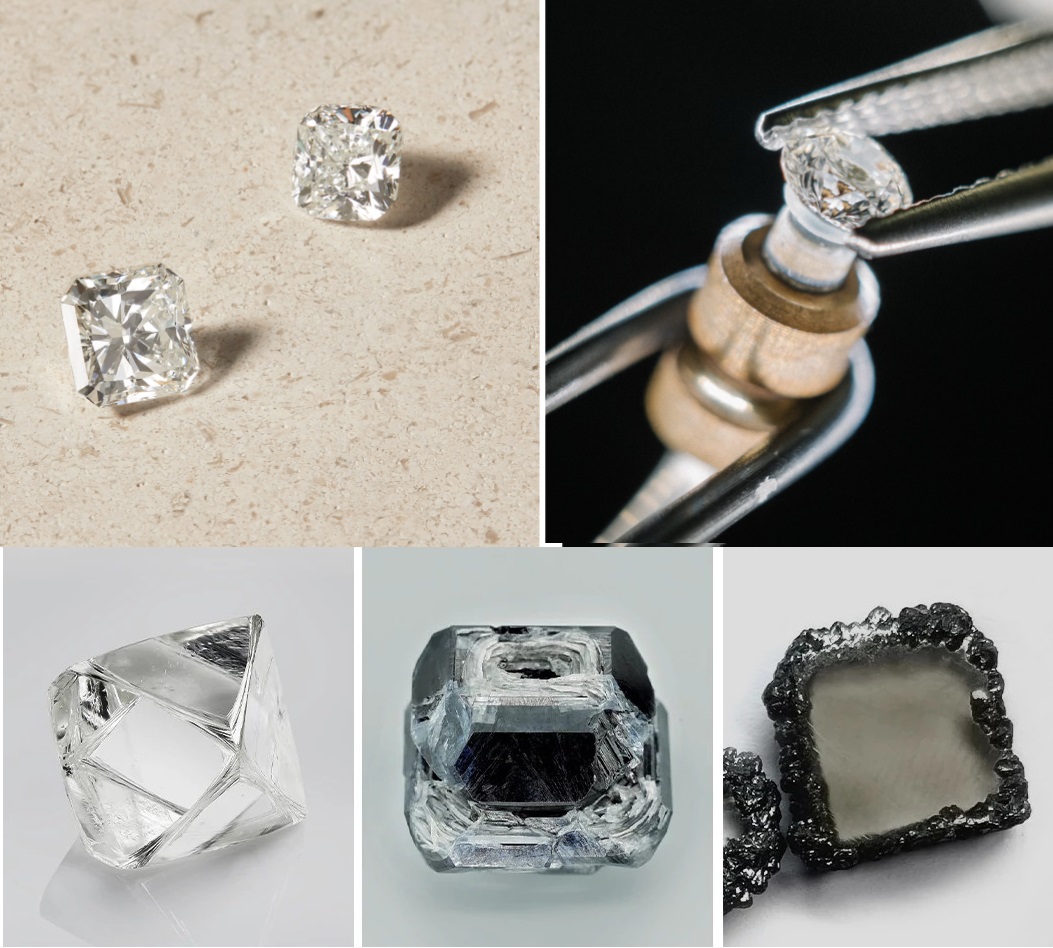
This initiative is not merely a terminology adjustment; it represents a systematic effort to separate the grading systems for lab-grown and natural diamonds. As a non-profit organization, GIA emphasizes the fundamental differences between the two, including their formation processes, physical characteristics, and market values. According to Tom Moses, GIA Executive Vice President and Chief Laboratory and Research Officer, "More than 95% of lab-grown diamonds entering the market fall into a very narrow range of color and clarity. Because of that, it is no longer relevant for GIA to describe man-made diamonds using the nomenclature created for the continuum of color and clarity of natural diamonds."
Reaffirming the Unique Value of Natural Diamonds
This revision of grading standards is another milestone following GIA's abandonment of the term "Synthetic" and its move to describe lab-grown diamonds in relation to natural diamond standards. GIA created the 4Cs—cut, colour, clarity, and carat weight—as a rigorous system to help consumers understand the unique and qualities of natural diamonds. With the new lab-grown diamond grading system, the core value of natural diamonds—rarity and emotional attributes are further emphasized.
No two natural diamonds are exactly alike. Every natural diamond is unique, characterized by its distinct growth patterns, inclusions, and colour formed over billions of years. These nature's treasures, formed deep within the Earth, are considered valuable collectibles due to their beauty, rarity and non-renewability. They symbolize values associated with love, commitment, and eternity, while also contributing to the social and economy welfare of the diamond mining communities through responsible mining practices.
In contrast, lab-grown diamonds are man-made and mass-produced using high-pressure high-temperature (HPHT) or Chemical Vapor Deposition (CVD) processes. Their industrial nature limits their ability to embody the multiple values associated with natural diamonds, including emotional attributes, rarity, investment potential, and heritage. GIA's reform not only reaffirms the irreplaceable status of natural diamonds but also clarifies that lab-grown diamonds should not be assessed using the same criteria as natural diamonds.
Ensuring Consumer Awareness and Transparency
Over time, some lab-grown diamond sellers have been using ambiguous marketing terms such as "sustainability" and "equivalency" that may mislead consumers about the differences between lab-grown and natural diamonds. GIA's new approach ensures consumers can make informed choices without confusion, protecting their rights to knowledge, choice, and fair trade. By discontinuing the use of the 4Cs standard for lab-grown diamonds, GIA reaffirms its commitment to scientific integrity and public transparency.
GIA's grading redefinition is poised to have a profound impact on the global jewellery industry. As this change takes effect by the end of 2025, it is anticipated that gemological institutes worldwide will follow suit. The boundaries between natural and lab-grown diamonds are clearly defined through GIA's new grading standards.
Hashtag: #GIA #NaturalDiamonds #LabGrownDiamonds #DiamondCertification #DiamondGrading
https://adiamondisforever.com/
https://www.facebook.com/profile.php?id=61571905725935
https://www.instagram.com/adiamondisforever/
The issuer is solely responsible for the content of this announcement.