


Energy-Saving Hacks: Electrical Tips to Lower Your Power Bill
Electricity costs continue to rise across Australia, making it more important than ever to find practical ways to reduce household energy consumption. By adopting smart habits and making small adjustments, you can lower your power bill without sacrificing comfort or convenience. Whether you live in a compact apartment or a large family home, the following energy-saving hacks will help you take control of your usage and keep more money in your pocket. For tailored solutions, working with experts like Limerock Electrical can make a real difference.
Switch to Energy-Efficient Appliances
Old appliances may still get the job done, but they often use far more power than modern, energy-efficient models. When it comes time to upgrade, look for products with a high star rating under Australia’s Energy Rating Label. Appliances such as fridges, washing machines, and air conditioners consume a significant portion of your electricity, so choosing efficient options can deliver noticeable savings over time.
Use LED Lighting
Lighting accounts for a substantial part of energy usage in many homes. Replacing halogen or incandescent bulbs with LED lights is one of the quickest and most cost-effective ways to reduce electricity consumption. LEDs use up to 80% less energy and last much longer, cutting down on replacement costs as well.
Unplug and Switch Off Standby Power
Many electronics continue to draw power even when they’re switched off—commonly known as ‘phantom power.’ Devices such as TVs, microwaves, game consoles, and chargers can add up to a surprising amount on your electricity bill. Plugging devices into a power board with an on/off switch makes it easier to cut off standby power when not in use.
Be Smart With Heating and Cooling
Heating and cooling systems are some of the biggest energy guzzlers in Australian homes. You can reduce their impact by:
- Setting your air conditioner to around 24°C in summer and your heater to 18–20°C in winter
- Using ceiling fans to improve airflow and reduce reliance on air conditioning
- Closing doors and windows to trap cool or warm air in one area
- Sealing gaps around windows and doors to prevent drafts
Maximise Natural Light and Ventilation
Before reaching for the light switch or air conditioning remote, make use of natural resources. Open curtains and blinds during the day to brighten your home, and use windows and vents strategically to encourage airflow and keep indoor temperatures comfortable.
Install a Smart Meter or Energy Monitor
Smart meters and energy monitors provide real-time data on electricity consumption, making it easier to identify which appliances are costing you the most. With this knowledge, you can make informed decisions about how and when to use energy-intensive devices.
Consider Solar Power
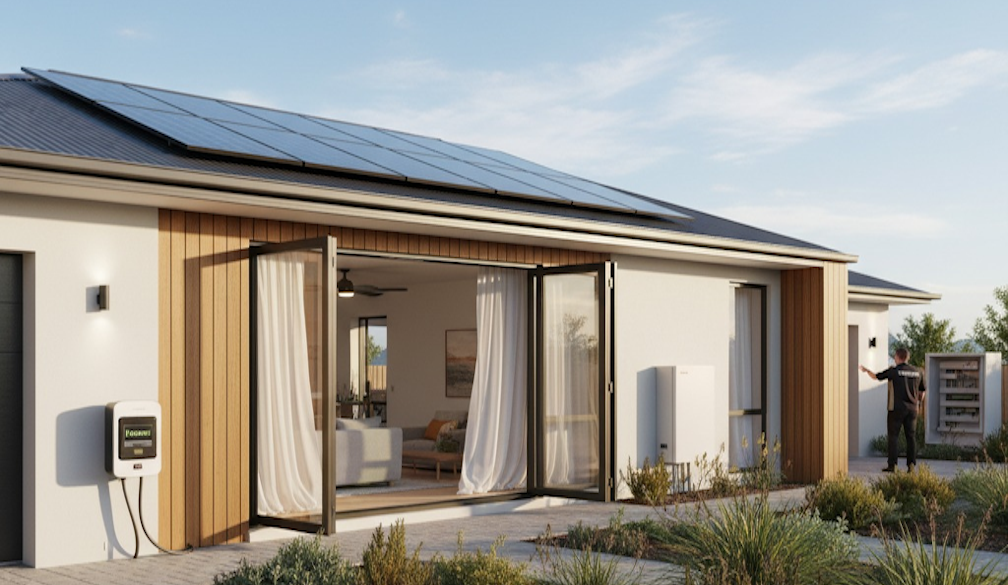
If your budget allows, investing in solar panels is one of the most effective ways to reduce long-term energy costs. Australia’s sunny climate makes solar an excellent option, and many households find that the savings quickly outweigh the initial investment. Pairing solar with battery storage allows you to store excess power for use at night or during peak demand.
Work With a Licensed Electrician
While there are many DIY changes you can make, some upgrades require professional expertise. A licensed electrician can install energy-efficient lighting systems, set up smart home automation, and recommend tailored solutions for your household’s needs. Reliable providers such as Limerock Electrical can help you make cost-saving improvements safely and effectively.
Ready to get started?
Reducing your electricity bill doesn’t always require major sacrifices—often, it comes down to making smarter choices with the way you use power. From upgrading appliances to managing heating and cooling more efficiently, these energy-saving hacks can add up to big savings over time. By combining everyday habits with expert advice, you’ll not only lower your costs but also reduce your environmental footprint.