


Mining Hose Selection Guide for Long-Term Operational Reliability
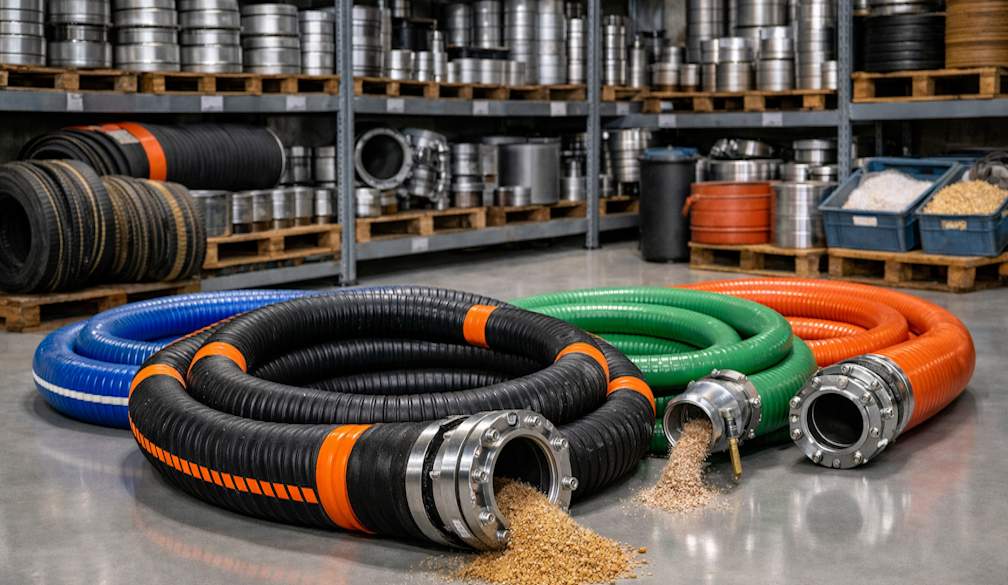
A dependable mining hose is a key component in mining operations where the movement of slurry, water, tailings, and abrasive materials occurs continuously. The efficiency of these operations often depends on the reliability of equipment used throughout the production process. Choosing the right mining hose can improve productivity, reduce maintenance requirements, and help organisations maintain consistent performance in demanding environments.
Mining facilities operate under challenging conditions that place constant stress on equipment. Abrasive materials, heavy workloads, and harsh operating environments require hose systems that are specifically engineered for industrial performance. Selecting the correct solution can have a direct impact on operational efficiency and long-term costs.
Understanding the Role of Mining Hoses
Mining hoses are designed to transport a wide range of materials used throughout extraction and processing activities. They are commonly employed for slurry transfer, dewatering systems, tailings transportation, mineral processing operations, and general fluid movement across mining sites.
Unlike standard industrial hoses, mining hoses are developed to withstand the challenges associated with abrasive materials and continuous use. Their specialised construction allows them to operate effectively while maintaining durability and performance over extended periods.
This makes them an essential component in modern mining infrastructure.
Why Abrasive Materials Require Specialised Solutions
One of the defining characteristics of mining operations is the presence of abrasive materials. Ore particles, sand, gravel, mineral concentrates, and processing by-products can cause significant wear on equipment surfaces.
Mining hoses are manufactured using abrasion-resistant compounds that help protect against premature deterioration. These materials are specifically chosen to handle the friction created by moving solids while preserving the structural integrity of the hose.
By reducing wear, mining hoses contribute to longer service life and lower replacement costs.
Supporting Efficient Slurry Transportation
Slurry transport is one of the most common applications for mining hoses. Slurry consists of water mixed with solid particles and is frequently used to move extracted materials between different stages of processing.
Maintaining efficient slurry flow is essential for productivity because interruptions can affect multiple aspects of the operation. High-quality hoses help ensure consistent transport while minimising the risk of leaks or equipment failure.
Reliable slurry systems also support smoother processing activities and improved operational efficiency.
The Importance of Tailings Management
Tailings are a by-product of mineral processing and require safe, efficient transportation to designated storage facilities. Managing these materials effectively is important for both operational and environmental reasons.
Mining hoses play an important role in tailings management by providing a durable solution capable of handling abrasive waste streams. Their ability to transport materials safely helps support environmental compliance and operational continuity.
A well-designed tailings transport system contributes to overall site performance and risk management.
Factors to Consider When Choosing a Mining Hose
Selecting the right hose requires careful consideration of several operational variables. Material characteristics, particle size, operating pressure, flow rates, and environmental exposure all influence performance requirements.
The hose must be capable of handling the intended application without compromising durability or efficiency. Reinforcement layers, internal lining materials, and overall construction should align with the demands of the operating environment.
Taking the time to evaluate these factors can help organisations achieve better long-term results.
Improving Equipment Reliability
Equipment reliability is a major focus for mining companies seeking to maximise production. Unexpected hose failures can result in downtime, increased maintenance costs, and reduced productivity.
A high-quality mining hose helps minimise these risks by delivering consistent performance under demanding conditions. Reliable equipment allows maintenance teams to focus on preventive strategies rather than emergency repairs.
This proactive approach contributes to more stable operations and improved resource utilisation.
Enhancing Workplace Safety
Mining operations place a strong emphasis on workplace safety. Equipment failures can create hazards for personnel and may result in environmental incidents or damage to surrounding infrastructure.
Using hose systems designed specifically for mining applications helps reduce these risks. Quality products are engineered to withstand operational pressures while maintaining structural integrity throughout their service life.
Routine inspections and maintenance procedures further strengthen safety outcomes by identifying wear before it becomes a significant issue.
Maintenance Practices That Extend Hose Lifespan
Regular maintenance is essential for achieving maximum value from mining hose systems. Visual inspections should be conducted frequently to identify signs of wear, abrasion, cracking, or damage to fittings and connections.
Proper storage and handling also contribute to longer service life. Avoiding excessive mechanical stress and following manufacturer recommendations can help preserve hose performance over time.
Preventive maintenance programs support operational reliability while reducing the likelihood of unexpected equipment failures.
The Economic Benefits of Quality Hose Systems
Although premium hose products may have a higher upfront cost, they often provide substantial long-term savings. Reduced downtime, lower maintenance expenses, and extended service life contribute to improved operational efficiency.
Reliable hose systems also support higher productivity by maintaining uninterrupted material transport. These advantages make quality mining hoses a valuable investment for organisations focused on performance and cost control.
When evaluated over their entire lifecycle, durable hose solutions frequently deliver significant financial benefits.
Conclusion
Mining operations rely on efficient material transport systems to maintain productivity and achieve operational goals. Mining hoses play a crucial role in supporting slurry transfer, tailings management, dewatering activities, and mineral processing operations. Their durability, abrasion resistance, and reliability make them essential components in demanding mining environments.
By selecting the right mining hose and implementing effective maintenance practices, organisations can improve efficiency, enhance safety, reduce operating costs, and support long-term operational success.


