


Key Factors to Consider When Selecting Conveyor Components
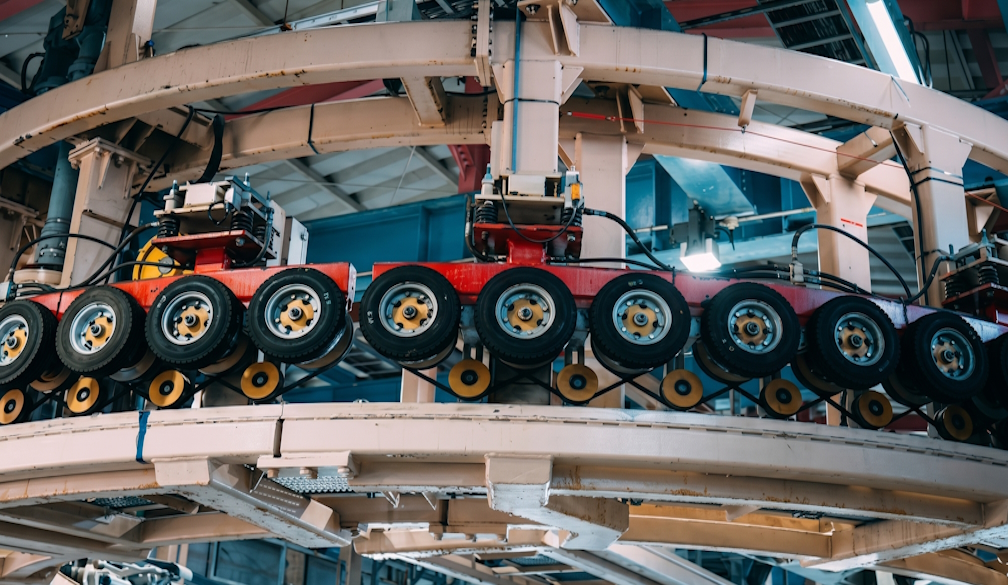
Choosing conveyor components is a lot more than choosing the right size and ordering a few parts. Sadly, conveyors don't work like that. Your decision-making process is going to be a lot more complex than that. Looking at the system as a whole instead of treating every component like an isolated little object can help you find the perfect option. Here are the factors you should pay attention to before handing over your money.
Don't Choose a Part Until You Know What It's Carrying
The best place to start is the material moving along the conveyor. Determine its features. Is it lightweight packaging, sharp metal pieces, or damp food products? The answer matters. Your conveyor components experience very different levels of stress depending on what they're carrying.
You should always look at the weight, size, shape and surface of the load. A heavy product can put extra pressure on rollers and bearings, for example. Similarly, awkward or uneven items can place sideways forces on the belt. If you choose components based only on the conveyor's dimensions, you're setting yourself up for failure. Your conveyor has a job to do, so pick parts that can handle that job.
Treat Your Environment Like a Component Killer
A conveyor sitting inside a clean warehouse has a much easier life than one operating in humid areas, heat, dust or freezing conditions. Moisture can cause corrosion. Dust might seem harmless, but it can work its way into moving parts. High temperatures can also affect your components, as they affect lubricants and materials.
Think about cleaning chemicals, humidity, sunlight and temperature changes before choosing anything. If you're washing the equipment regularly, for example, components need to cope with that routine without deteriorating quickly. Spend a little more on suitable materials. If not, you will end up repeatedly replacing cheap parts that never stood a chance.
Pay Attention to All the Parts
It's tempting to focus on the belt. It’s the most important aspect of the conveyor system. But even that belt is nothing without smaller components doing plenty of work underneath it. You have bearings, shafts, fasteners. There are also seals and brackets that can all affect how reliably the system operates.
This is where quality matters the most. A poorly matched bearing or fastening system can create movement where you don't want it. This, in turn, can lead to wear in other areas. For example, buying conveyor belt fasteners can be useful when you need a secure belt connection that supports safe operation and helps prevent unnecessary damage to surrounding components.
Check Whether the Component Can Survive Your Conveyor's Pace
A conveyor that runs for a few hours a day isn’t at a high risk of damage. This one has a very different workload from one that operates almost continuously. You should consider operating speed, running hours and how frequently the system starts and stops.
Constant acceleration and sudden stops can be demanding. Bearings, rollers and drive components don't get to enjoy a peaceful little existence when they're repeatedly being pushed into motion and then halted. It’s best to check the manufacturer's operating limits. It’s also smart not to believe that a component rated for a particular load will automatically be suitable at every speed. Capacity and speed are connected.
Make Maintenance Easy Before You Need Maintenance
Something will eventually need attention, even if you buy a new conveyor system. That isn't pessimistic. Heavy machinery that moves for thousands of hours eventually experiences some wear and tear, there’s no question about that. The smarter question is whether replacing that component will be straightforward or whether your maintenance team will struggle unnecessarily to reach it.
To ensure easy maintenance, take a good look at access points, replacement procedures and lubrication requirements before you buy. Components that are easier to inspect and replace can reduce downtime. They will make routine maintenance less of a production-stopping event. If two parts perform similarly but one is much easier to service, choose the easier one.
Conclusion
Selecting conveyor components becomes much easier when you stop looking for a single best part. Instead, you start asking what your system needs. Consider the load, environment, speed, maintenance requirements, compatibility, noise and consequences of failure. Those details might not matter now when you’re only concerned about making the purchase. However, they can have a big effect once the conveyor is running every day. Take the extra time to check them now. Your conveyor will have a much better chance of doing its job.