


How to Help Your Child Build Confidence Before Starting School
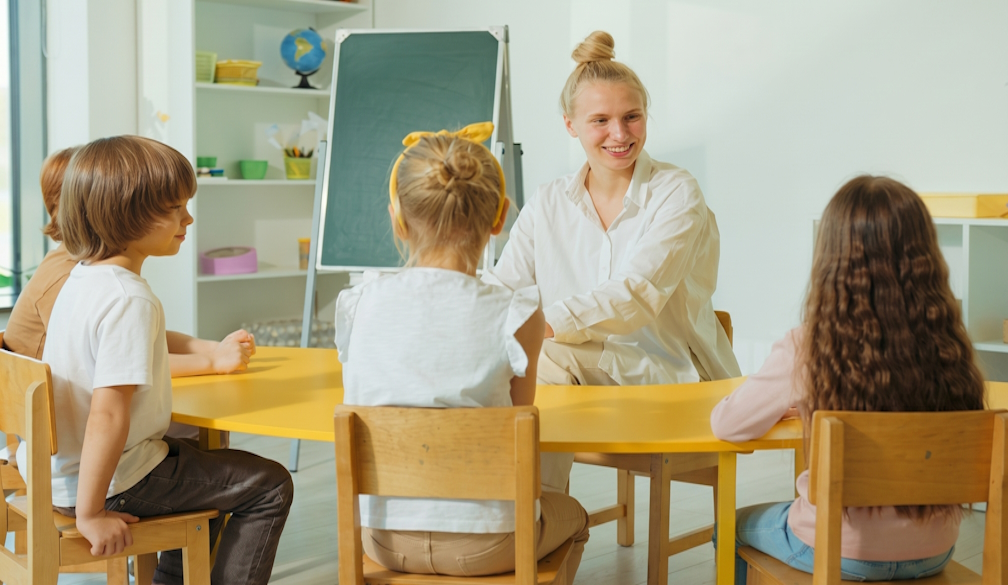
Starting school is a milestone like no other. It’s the beginning of a long season, and most people remember it with a smile on their face. If you want your child to also turn into those people who remember the early school years fondly, you should prepare for this new chapter. The best way to do that is by helping them find their inner confidence. Once your child is confident in their ability to navigate new situations, you won’t have to worry about sending them off to school.
Let Them Be Bad at Something on Purpose
Parents tend to over-correct their children. Yes, that’s how children learn. But take a step back and think about why you should give your child jobs and activities where they’re almost guaranteed to wobble a bit. Let them attempt to cut their own banana. Let them keep building a tower that keeps collapsing. Resist the urge to tell them how to do it properly straight away.
The important part is what happens after the mistake. You shouldn’t always take over. Sometimes it’s better to ask them what they think you should do next. This will help them engage. Your child also starts learning that struggling doesn’t mean they’re incapable.
Give Them a Regular Dose of Other Kids
If your child spends most of their time with adults, school can feel like being dropped onto another planet. That strange feeling is not good, and it can be intimidating. Getting them around other children beforehand gives them opportunities to work out the social puzzles that adults usually solve for them. They’ll have to share, wait, disagree, negotiate and occasionally discover that another child really, really wants the red truck.
That’s one reason getting your child into a preschool in Dubbo, or another suitable early learning setting near you, can be helpful. Regular interaction with peers gives them practice being part of a group before school begins.
Give Them a Territory That’s Theirs
Create one small area where your child gets to make decisions without constant adult interference. It could be a drawer for their clothes or a basket containing their morning things. Tell them what the space is for, then let them organise it badly if they want to.
Having something that belongs to them will make them feel good. It will make them act capable. They can decide where things go, remember what’s there and take responsibility for looking after it. If the pencils are upside down, the pencils are upside down. And if something isn’t going according to their plan, you can help them organise or adjust whatever it is that they’re looking after.
Teach Them How to Get Involved
Social scripts help adults with anxiety. There’s no reason they can’t help children, too. We all like to practice for our big moments. Your child might need that nudge before they realise that talking to other children isn’t that big of a deal. In fact, it’s something that they could greatly benefit from.
Let your child practise asking to join, waiting and responding when someone says no. If they’ve rehearsed the words a couple of times, they’re more likely to find them when they’re standing beside a group of unfamiliar children.
Give Them One Reliable Goodbye Ritual
The first school goodbye can become emotionally enormous. That’s only if nobody knows what’s supposed to happen. Create a short ritual beforehand. The key is to keep it the same each time.
Don’t make the goodbye longer because your child looks nervous. That can accidentally teach them that leaving really is something to fear. Stay kind, stay clear and follow through. Your child may still cry, but that’s okay. They’re allowed to cry when big feelings flood them. Confidence is discovering that you can feel upset and still get through the moment.
Conclusion
You shouldn't try to convince your child that school will be perfect. The school most definitely won’t be perfect. Even if nothing bad happens, sometimes school is just boring. But they can learn to tolerate it. And they will learn that by being reminded that they’re capable. When their confidence in their ability to handle things grows, they actually learn to translate that into the real world, one way or another.