

The Parramatta Building Owner’s Fire Protection Checklist Is Probably in the Wrong Drawer
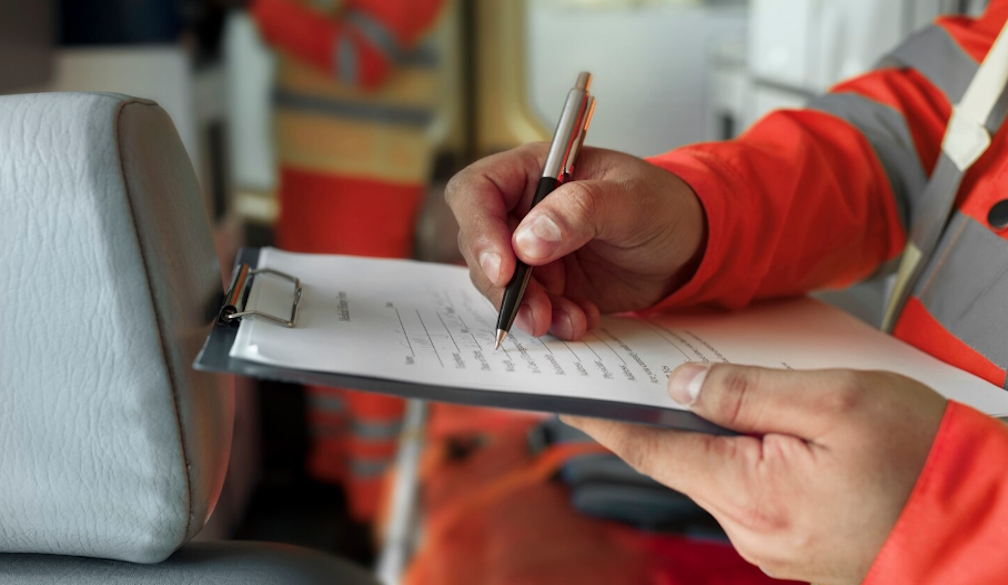
There is a particular kind of confidence that comes from assuming your building paperwork must be somewhere safe. Maybe it is in the strata manager’s files. Maybe it is in an old Dropbox folder. Maybe it is attached to an email chain from three years ago with a subject line nobody would ever search for. That confidence feels comforting right up until someone asks for the documents and nobody can find the latest version without a small office archaeology dig.
That is often how the real trouble starts. Not with a siren. Not with a failed system. With a pause. A long, awkward pause.
If you are trying to get your head around fire protection in Parramatta, the hard part is not always the systems themselves. It is knowing which records matter, where they sit, and whether they still reflect the building as it stands today. And if you are looking at VQS Fire providing fire protection for Parramatta buildings, that is relevant mostly because local practitioners end up dealing with the same issue over and over again: buildings that may have the right safety measures, but no neat, current, easy-to-follow record trail for owners to lean on.
The checklist exists. It is just rarely where people need it
Let me explain.
A Parramatta building owner’s “fire protection checklist” is usually not one tidy checklist at all. It is a mix of documents and duties that have to line up properly. There is the Fire Safety Schedule. There is the annual fire safety statement. There are records of servicing and inspections. There are due dates tied back to the original certificate history. There may also be correspondence with council, Fire and Rescue NSW, and accredited practitioners. None of this is especially mysterious, but it becomes messy very quickly when different people hold different bits of the story.
City of Parramatta is quite clear about the process. Owners need to email their annual fire safety statement to council, include a copy of the fire safety schedule or essential services schedule, and complete the online submission with Fire and Rescue NSW. That is not a vague suggestion. It is the working admin reality of fire protection for local buildings.
The Fire Safety Schedule is doing more work than most owners realise
Here is the thing. Many owners think the important document is the annual statement because that is the one with the date pressure attached to it. Fair enough. But the Fire Safety Schedule is often the document quietly running the whole show.
The NSW Planning Portal says a fire safety statement relates to each essential fire safety measure that applies to the building, and it confirms that an accredited practitioner (fire safety) has verified the performance of each of those measures. That only works if everyone is clear on what measures actually apply. In practice, that means the schedule is the foundation document. It tells you what the building is meant to have, and the statement then sits on top of that foundation.
So when that schedule is missing, outdated, or buried somewhere obscure, the whole process gets shakier than it should be. Not impossible, but shakier. A bit like trying to service a car when you are not sure which parts were swapped out in the last three repairs.
The 2026 AS 1851 shift makes the wrong drawer feel even further away
This is where older habits start to struggle.
NSW now requires, from 13 February 2026, that all Class 1b and Class 2 to Class 9 buildings have their essential fire safety measures inspected and tested in accordance with AS 1851-2012, unless there is a performance solution in place. The Building Commission also says owners must ensure maintenance is carried out by competent persons and that defects are remedied promptly so systems remain operational.
That changes the tone of the owner’s checklist. It is no longer enough for the right files to exist somewhere in theory. The records, servicing pathway, and due-date management all need to be current, usable, and tied to the actual building. In other words, the checklist has to come out of the wrong drawer and into daily working life.
For strata buildings, NSW’s own strata safety guidance says apartment buildings must have certain fire safety systems inspected, tested and serviced regularly in line with AS 1851-2012 from 13 February 2026, unless a performance solution applies. That makes the issue especially relevant in Parramatta, where apartment and mixed-use growth is such a large part of the local built environment.
Parramatta’s growth makes admin sloppiness more expensive
Parramatta is not a sleepy place where buildings stay the same for twenty years and everybody knows the history by heart. It is a fast-moving centre with changing tenancies, active precincts, new approvals, older buildings being adapted, and a lot of people trying to keep multiple moving parts in sync. Council itself keeps framing the city as a major growth and jobs centre, and that sort of growth is exciting, but it also creates more chances for building records to fall out of step with the physical site.
A new tenancy fit-out, an upgrade, a changed use, a new contractor, a fresh facilities manager; each of those things can make a building harder to “read” unless someone is looking after the paper trail as carefully as the physical assets. That is why this article is really about a wrong drawer, not a missing checklist. The building owner often has the information in fragments. The problem is that fragments do not help much when a due date is looming.
The strange truth: paperwork can reduce paperwork
This sounds contradictory, but it is true.
Owners often resist building a cleaner internal fire-protection record because it feels like more admin. More folders. More registers. More time. Yet that extra order usually reduces panic, duplication, and last-minute chasing later. Once the Fire Safety Schedule, statement templates, past submissions, and servicing records are clearly held and easy to retrieve, the building becomes simpler to manage. Not simple, exactly, but simpler.
It is the same logic as a decent tool chest. Nobody loves spending money on storage, but once everything has a place, jobs stop taking twice as long.
So what should Parramatta owners actually have at their fingertips?
Not every building will have the exact same bundle of records, but the broad pattern is not mysterious. Owners should be able to quickly locate the current Fire Safety Schedule, the latest annual fire safety statement, the due-date basis for that statement, servicing and inspection records, and any supporting material tied to accredited practitioner assessments and exit-system compliance. Parramatta’s own submission instructions and NSW’s practitioner guidance make that structure pretty plain.
The real win is not merely compliance. It is confidence. Confidence that when a question comes in from council, a practitioner, a strata committee member, or a buyer doing due diligence, the answer is not hidden in an old inbox under “final_final_v2”.


