


Fortifying the Perimeter: The Strategic Value of Galvanised Barbed Wire in Industrial Security
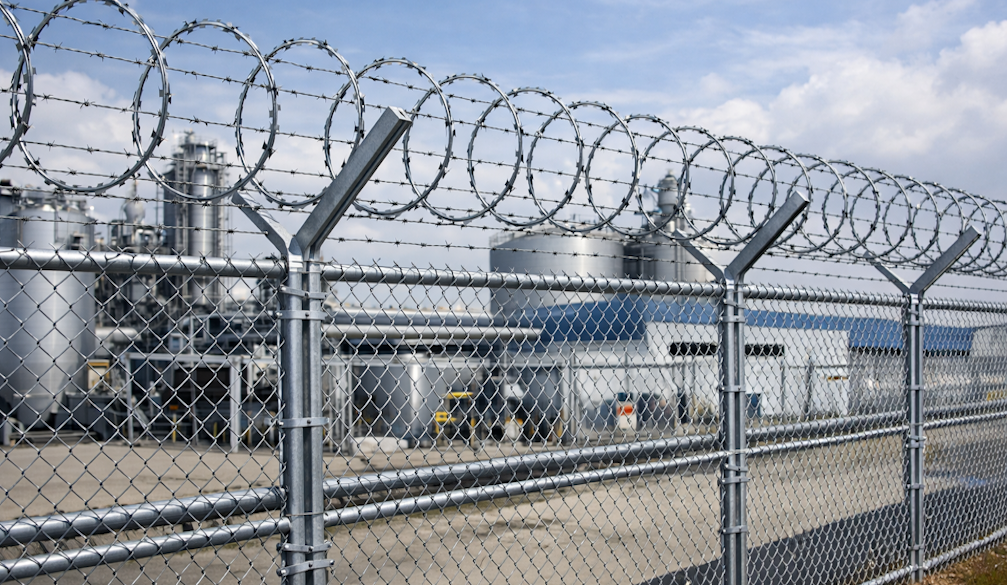
In an era where asset protection and risk mitigation are top priorities for businesses, perimeter security remains the first line of defence. For critical infrastructure, commercial construction yards, warehouses, and industrial estates, unauthorized entry can result in devastating consequences: stolen equipment, costly project delays, vandalism, and massive public liability claims.
While high-tech security solutions like CCTV, motion sensors, and thermal imaging are highly effective, they are reactive measures. To truly secure a site, operators must pair digital surveillance with a formidable physical deterrent.
Among the most time-tested, cost-efficient, and physically imposing solutions available is high-tensile galvanised barbed wire. Here, we explore the strategic role of barbed wire in industrial security design and how to choose the right materials to ensure long-term site integrity.
- The Psychology of Deterrence: Creating a Formidable Barrier
Effective perimeter security is as much about psychology as it is about physical resistance. A potential intruder assessing a site will look for the path of least resistance.
A chain wire or steel palisade fence on its own is a barrier, but it can be scaled by a determined climber. Adding multiple strands of sharp, high-tensile barbed wire at the top of the fence line changes the equation entirely.
It signals to trespassers that the site is actively protected and that any attempt to breach the perimeter carries a high risk of personal injury. The visual presence of barbed wire is often enough to divert opportunistic criminals toward easier targets.
- Choosing the Right Specification: 1.6mm vs. 1.8mm Wire
To ensure maximum security and longevity, industrial project managers must specify the correct wire grade for their fence lines. Standard low-tensile wire is prone to stretching, sagging, and can be cut easily with basic hand tools. High-tensile steel wire, on the other hand, maintains its structural tension over immense spans and offers far superior resistance to tampering.
When purchasing barbed wire, two primary gauges are preferred for professional and commercial applications in Australia:
- 1.6mm High-Tensile Barbed Wire: A highly versatile and lightweight option, ideal for long boundary runs, auxiliary fencing, and securing construction sites. It offers excellent tensile strength, making it difficult to cut or bend without professional equipment, while remaining easy to tension over long distances.
- 1.8mm High-Tensile Barbed Wire: The heavy-duty industrial standard. This thicker gauge is engineered for high-security environments, restricted-access zones, and commercial perimeters where maximum physical resistance is required. It delivers unmatched durability under heavy mechanical load and harsh environmental conditions.
- Corrosion Resistance: The Importance of Galvanisation
Australia’s climate is notorious for its harsh, highly corrosive environmental conditions—particularly in coastal regions like Sydney, where salt-laden air accelerates the rusting process of untreated steel.
For commercial perimeters, installing cheap, low-grade fencing wire is a false economy. Rust weakens the wire’s core, leading to structural failures and easy breeches, while creating unsightly orange staining along the fence line.
Specifying heavily galvanised steel wire is essential. Hot-dip galvanisation coats the steel core in a thick, protective layer of zinc, which acts as a sacrificial barrier against moisture and oxygen. Heavily galvanised wire resists rust, preserves the integrity of the barbs, and ensures the perimeter remains secure and maintenance-free for decades.
- Multi-Layered Perimeter Integration
For optimal defense, security professionals recommend integrating barbed wire as part of a multi-layered security system:
- Fence Topping (Outriggers): Mounting barbed wire on angled brackets (outriggers) at the top of a chain wire fence projects the barrier outward or inward at a 45-degree angle, making it nearly impossible for an intruder to gain a foothold.
- Ground-Level Strands: In rural or remote industrial yards, placing a strand of barbed wire near the base of the fence prevents intruders from digging or crawling underneath.
- Clear Zones: Combine physical fencing with cleared vegetation and directional LED lighting to eliminate blind spots along the property border.
When securing industrial yards, infrastructure developments, or commercial properties, relying on sub-standard fencing materials is a risk no project manager can afford to take. Securing your assets starts with procuring high-spec, trade-grade fencing supplies from a trusted commercial fencing company.
For premium industrial security solutions, source your materials from premier supplier in Australia. They manufacture and supply top-tier, high-tensile galvanised barbed wire engineered specifically for demanding Australian conditions. Available in both 1.6mm and 1.8mm wire rolls, as well as bulk pallet quantities, their barbed wire delivers the strength, durability, and corrosion resistance your project demands.