



How To Choose The Right Skip Bin Size For Your Project
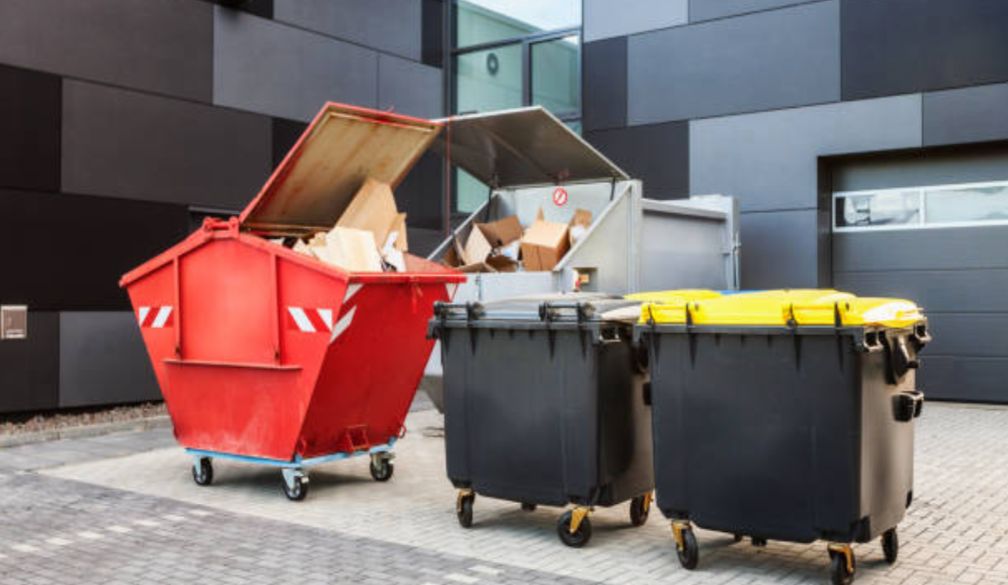
Selecting the right skip bin size ensures your project runs smoothly. Whether you're managing household waste, clearing out a garden, or handling construction debris, understanding what size skip bin do I need is essential to avoid delays, higher costs, or logistical headaches. A skip bin that’s too small will require multiple trips, adding to expenses, while an oversized bin may mean you’re paying for space you don’t need.
Evaluating Your Waste Disposal Needs
The first step in choosing the correct skip bin size is to evaluate the type and volume of waste your project will generate. Projects differ widely in scope, from small-scale home clean-ups to major renovations or industrial demolitions. This diversity in waste production necessitates understanding the capacities of available bins and matching them to your needs.
The Common Sizes of Skip Bins
Skip bins are typically measured in cubic metres, and each size corresponds to a specific volume of waste. Having a basic understanding of these sizes and their typical uses will guide you in making the right choice:
2 to 3 Cubic Metres- These bins are perfect for small residential projects. For example, if you’re decluttering your home, trimming trees, or disposing of light items like cardboard or kitchen appliances, this size is practical and affordable. This is roughly equivalent to the capacity of 8 to 12 wheelie bins.
4 to 6 Cubic Metres- A medium-sized skip bin will suit your needs if your project involves furniture disposal, renovation debris, or a significant garden clean-up. These bins are versatile and often used for garage clear-outs or moderate landscaping work.
8 to 12 Cubic Metres- Larger renovation or building projects often require these bins. They’re ideal for heavy materials like bricks, timber, and rubble. This size is also frequently chosen for commercial purposes, where waste volumes tend to be higher.
15 Cubic Metres and Above- These bins are essential for large-scale demolition, construction, or major commercial clean-ups. Their significant capacity makes them ideal for bulky waste that would otherwise be difficult to manage efficiently.
Considerations When Choosing a Skip Bin
While size is a crucial factor, there are several other elements to consider when selecting a skip bin:
Type of Waste- Not all bins are designed to handle every type of waste. For instance, hazardous materials like chemicals or asbestos require special disposal methods and may not be allowed in standard bins. Before making a selection, confirm with your provider whether the bin is suitable for your waste type.
Estimating Waste Volume- Accurately estimating your waste volume is essential to prevent overfilling or underutilising the bin. If you’re unsure, a general rule of thumb is to err on the side of caution by choosing a slightly larger size.
Available Space for Placement- Consider the physical space available on your property for the bin. Smaller bins can fit into tighter spaces, while larger bins may require more room or specific access points for delivery and pick-up.
Regulations and Permits- In some areas, placing a skip bin on public property like a street may require permits. It’s important to factor this into your planning to avoid delays or fines.
The Cost Factor in Choosing a Skip Bin Size
The price of skip bins increases with their size, but so does their capacity to hold waste. While a smaller bin may appear more cost-effective initially, needing multiple smaller bins due to insufficient space can lead to higher overall costs. On the other hand, choosing an oversized bin unnecessarily may result in wasted space and higher fees.
The most cost-effective approach is to carefully assess your waste needs and select a bin that is slightly larger than your estimated volume. Many skip bin providers also offer size calculators or consultations to help you make an informed choice.
Tips for Maximising Skip Bin Use
- Pack Strategically: Place heavier items at the bottom and lighter ones on top to make the most of the bin’s capacity.
- Avoid Overfilling: Overfilled bins can be hazardous during transport and may incur penalties. Always adhere to the marked fill line.
- Separate Waste Types: If possible, segregate recyclables, green, and general waste. This can sometimes reduce costs, as some providers charge less for bins dedicated to recyclable materials.
Finding a Reliable Skip Bin Provider
A reputable skip bin service can significantly improve your waste disposal experience. Look for providers with transparent pricing, various bin sizes, and excellent customer reviews. They should also be willing to help you select the right bin for your needs. Many companies offer online tools, such as skip bin size guides, to help you estimate your requirements and streamline the booking process.
Conclusion
Choosing the right skip bin size is about more than just picking a container; it’s about ensuring that your project stays on budget and runs without unnecessary interruptions. By understanding your waste disposal needs, evaluating bin sizes, and consulting a reliable provider, you can make waste management an efficient and stress-free part of your project. Whether you’re clearing out a backyard, managing a renovation, or handling industrial waste, the right skip bin is essential for saving time and money while keeping your space clutter-free.