

How to Create a Home That Feels Calm Without Feeling Boring
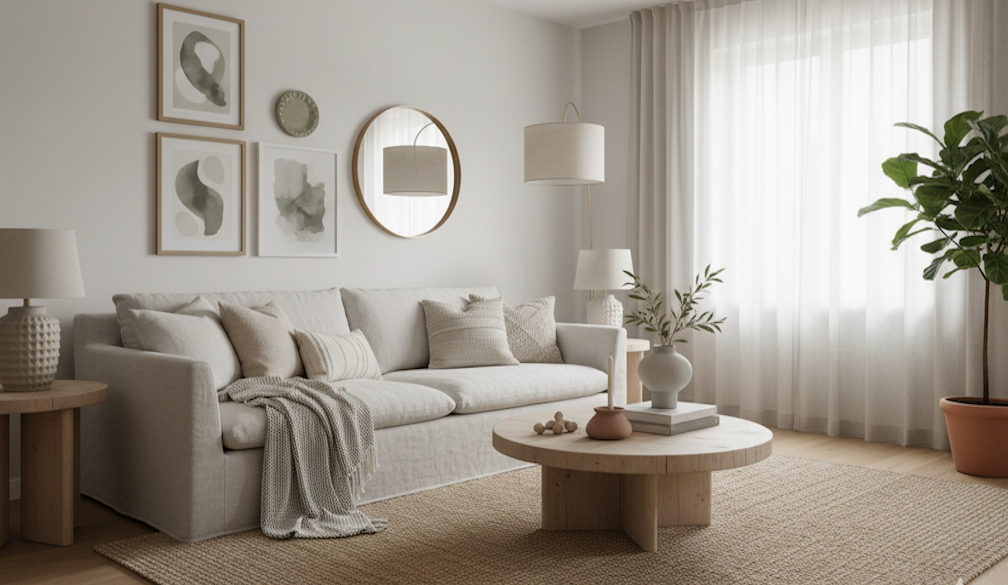
There is a big difference between a home that feels calm and a home that feels lifeless. Calm interiors are often misunderstood as plain, overly minimal, or stripped of personality, when in reality the most soothing spaces tend to have far more depth than people realise. They are thoughtful rather than busy, layered rather than loud, and intentional rather than empty.
A calm home should not feel like a showroom where nobody lives. It should feel like a place that lets your mind exhale. That sense of ease comes from balance: soft visual rhythm, practical layout choices, texture that invites you in, and furnishings that feel considered. Even simple details, such as natural materials, warm finishes, and timeless pieces like wooden bentwood dining chairs, can help create an interior that feels settled without becoming stale.
The goal is not to remove character. It is to remove the kind of visual and emotional noise that makes a room feel restless. When you get that balance right, a home can feel peaceful, welcoming, and full of personality all at once.
Calm starts with restraint, not emptiness
One of the most common mistakes people make when trying to create a calm interior is assuming they need less of everything. Less colour, less art, less furniture, less contrast. But calm does not come from deprivation. It comes from editing.
A room becomes boring when there is nothing for the eye to enjoy. It becomes chaotic when there is too much competing for attention. The sweet spot sits somewhere in between. Rather than removing every decorative element, focus on choosing pieces with purpose. Let each item contribute something, whether that is texture, shape, warmth, function, or sentiment.
This is what gives a calm home substance. It feels settled because it has room to breathe, but it still feels lived in because every choice has weight behind it.
Use a soft palette, but don’t flatten the room
A calm home often begins with colour, but that does not mean everything has to be beige. Soft whites, warm greys, muted greens, clay tones, dusty blues, and gentle taupes can all create a soothing base. The trick is to avoid making the palette so uniform that the room loses dimension.
Instead of relying on one flat neutral throughout the space, think in tonal layers. A warm white wall might sit beside a mushroom-toned rug, a timber coffee table, a linen sofa, and darker accents in charcoal or olive. These shifts may be subtle, but they stop the room from feeling one-note.
The best calm interiors usually have enough variation to feel interesting, but not so much contrast that the room feels visually noisy. It is about movement within a controlled range.
Texture does the heavy lifting
If bright colour and bold pattern are not carrying the room, texture becomes even more important. Texture is often what separates a calm interior from a bland one. It creates visual richness without demanding attention.
Think of the difference between a room filled with glossy, flat, hard surfaces and one that combines timber grain, woven fibres, matte ceramics, soft upholstery, washed linen, boucle, stone, and brushed metal. Even when the palette is restrained, the second room feels far more alive.
Texture adds quiet complexity. It gives the eye places to land and creates warmth without clutter. A calm home should feel tactile, not sterile. You want surfaces that catch light differently, fabrics that soften the edges of a room, and materials that bring a natural sense of imperfection.
Make shape part of the mood
Calm spaces often benefit from furniture and décor with softer lines. That does not mean everything needs to be curved, but overly angular rooms can sometimes feel more rigid than restful. Rounded edges, organic silhouettes, and gentle forms help create a more relaxed visual experience.
This can show up in obvious ways, such as a curved armchair or round mirror, but it also works in smaller details. A softly shaped lamp, a hand-thrown vase, a circular side table, or dining chairs with elegant curves can all influence how a room feels.
Shape is one of the quietest tools in interior design, but it has a surprisingly strong effect on atmosphere. When a room flows visually, it tends to feel calmer.
Prioritise negative space
Not every corner needs to be filled. Not every wall needs styling. Not every shelf needs three objects and a trailing plant. One of the reasons many homes feel more frantic than they need to is because every available surface is trying to say something.
Negative space is what allows the good pieces to stand out. It gives the eye a chance to rest. It also helps a room feel more confident. A space that is not over-explained usually feels more refined and more peaceful.
This does not mean your home should feel sparse. It simply means being comfortable with leaving some room around things. A beautiful console table with one ceramic lamp and one framed print can often feel more calming than a fully packed arrangement of candles, books, bowls, flowers, and stacked accessories.
Keep personality, just present it more thoughtfully
People often worry that a calm home will erase their individuality. In truth, personality is what stops calm design from feeling generic. The difference is in how it is expressed.
Rather than scattering personality across every surface, concentrate it in meaningful places. Choose artwork you genuinely connect with. Display books you actually love. Use objects with a story behind them. Bring in vintage finds, handmade pieces, or heirlooms that feel grounded and real.
When personality is curated instead of crowded, it has more impact. A room can still say something about the people who live there, but in a way that feels composed rather than chaotic.
Let natural materials lead
There is a reason so many calming interiors lean on timber, stone, linen, wool, leather, rattan, and ceramic. Natural materials bring an inherent softness and honesty to a space. They tend to age well, they sit comfortably within neutral palettes, and they create a sense of connection to the physical world that polished synthetic finishes often struggle to match.
Timber, in particular, has a grounding effect. Whether it appears through flooring, furniture, shelving, or dining pieces, it brings warmth and depth that can make a room feel immediately more settled. This is especially useful in homes that risk feeling too cold, too stark, or too trend-driven.
Natural materials also help calm rooms feel more layered because they come with variation built in. Grain, weave, tone, and texture all add subtle detail.
Think about rhythm, not just styling
A calm home is not just about how each individual room looks. It is also about how the home flows as a whole. Repetition can be a powerful tool here. Repeating certain tones, materials, or shapes from room to room creates continuity, which makes the entire home feel more cohesive and less jarring.
That might mean carrying the same timber tone through multiple spaces, using similar metal finishes throughout the house, or echoing soft curves in lighting, furniture, and décor. When these details speak to one another, the home feels quieter because it does not constantly shift gears.
Visual rhythm is often what makes a house feel settled. It gives the impression that each room belongs to the same story.
Layer lighting for softness
Harsh overhead lighting can undo even the most beautiful calming scheme. If you want a home to feel peaceful, lighting needs to be part of the design from the beginning, not treated as an afterthought.
A calm interior benefits from multiple light sources at different heights. Floor lamps, table lamps, wall lights, and warm ambient lighting all help soften a room and create mood. During the day, natural light should be embraced and diffused where needed with curtains, sheers, or blinds that soften glare rather than block light entirely.
Lighting is also one of the easiest ways to add atmosphere without adding clutter. It changes how colour reads, how texture appears, and how comfortable a room feels at different times of day.
Choose comfort that still has character
Calm homes are meant to be lived in, so comfort matters. But comfort does not have to mean oversized, shapeless furniture that dominates the room. The most successful spaces usually balance ease with visual elegance.
A comfortable sofa with beautiful upholstery, supportive dining chairs with refined lines, or an armchair that feels generous without looking bulky can all contribute to a home that feels both restful and elevated. This is often where thoughtful furniture selection matters most. Pieces need to work hard practically, but they should also add something aesthetically.
When comfort and design work together, a room feels effortless rather than overdone.
Avoid trend overload
A calm home usually has longevity. It is harder to create that feeling when every room is packed with trend references that may date quickly or compete with one another. Trend-driven pieces are not inherently bad, but they tend to work best as accents rather than the entire foundation of a space.
If you want your home to feel peaceful and interesting, anchor it with timeless elements first. Then add smaller moments of personality through styling, textiles, colour accents, or art. This creates flexibility. The room can evolve over time without needing to be completely reinvented every season.
Timeless does not mean traditional or safe. It simply means the space is built on choices that can breathe beyond one passing look.
Calm is also practical
A room will never feel truly calm if it does not function properly. Awkward layouts, insufficient storage, poor lighting, and furniture that is the wrong size can all create low-level frustration that affects how the space feels day to day.
This is why calm interiors often feel effortless: they are usually solving practical problems quietly in the background. There is enough storage to keep surfaces clear. There is enough circulation space to move easily. Furniture fits the proportions of the room. Daily rituals feel supported rather than obstructed.
In other words, calm is not just visual. It is operational. It comes from a home that helps life run more smoothly.
Creating a home that feels calm without feeling boring is really about nuance
It is not about stripping everything back until the space loses its soul. It is about building a quiet kind of richness through materiality, shape, tone, comfort, and intention.
The most beautiful calm homes do not shout for attention, but they are never forgettable. They feel warm, layered, and deeply considered. They invite you in, help you slow down, and make everyday life feel a little lighter.
When you focus on balance instead of blankness, your home can feel peaceful and full of personality at the same time. That is where calm becomes something far more interesting than minimalism. It becomes a mood people actually want to live in.


