

Why Commercial Pest Control Is a Business Risk Management Issue, Not Just a Maintenance Task
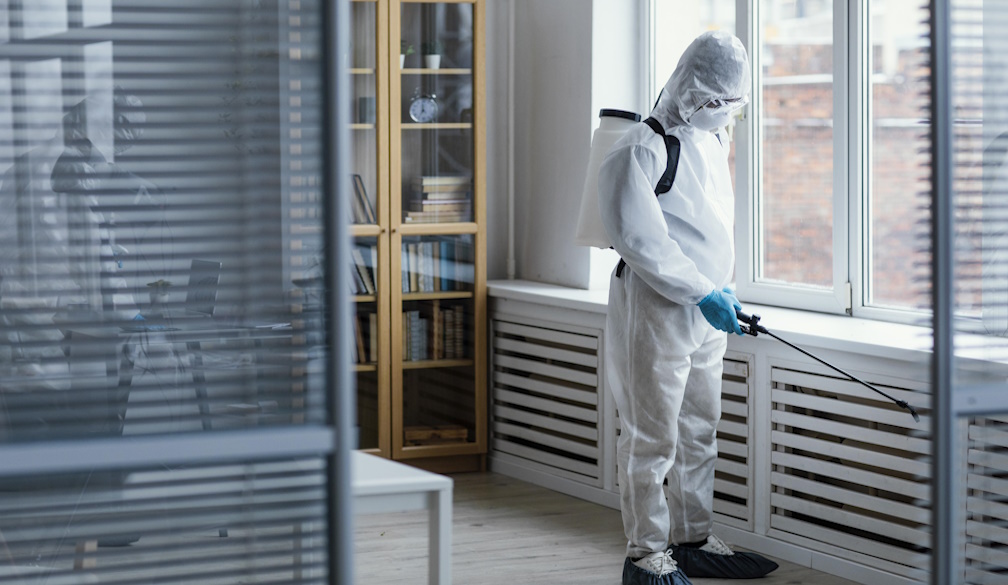
Pest control rarely makes it onto a business owner's list of strategic priorities. It gets filed under general maintenance, treated as something to deal with reactively when a problem becomes visible, and budgeted for accordingly. For businesses operating in Brisbane's warm, humid climate, this approach is increasingly costly.
Pest issues that go unmanaged don't just create an unpleasant environment. They create compliance exposure, reputational risk, and in some industries, the kind of liability that can shut a business down entirely.
Brisbane's Climate Makes Pest Pressure a Year-Round Issue
Unlike southern states where cooler months naturally suppress pest activity, Brisbane's subtropical climate means pest pressure barely lets up across the year. Cockroaches, rodents, termites, and various insect species remain active through what would be considered the off-season elsewhere in the country. Businesses that treat pest control as a seasonal or occasional task, rather than an ongoing program, consistently find themselves managing infestations that have already taken hold rather than preventing them in the first place.
This matters more for some industries than others, but very few businesses are entirely exempt. Hospitality venues, food retailers, childcare centres, aged care facilities, warehouses, and office buildings all carry different but real exposure to pest-related risk.
The Compliance Dimension Business Owners Often Underestimate
Food Businesses Face Direct Regulatory Consequences
Any business handling, storing, or serving food is subject to health and safety regulations that explicitly require effective pest management. Councils and health authorities in Queensland conduct inspections, and evidence of pest activity, whether droppings, damage, or live sightings, can result in fines, forced closures, or the suspension of a food licence. For hospitality and retail food businesses, a single failed inspection can mean lost trading days, and the reputational damage from a public health notice often outlasts the financial penalty itself.
Commercial Leases Frequently Include Pest Management Obligations
Many commercial leases place explicit pest control obligations on tenants, sometimes requiring documented evidence of a regular treatment program as a condition of the lease. Business owners who overlook this clause can find themselves in breach of their lease agreement without realising it, particularly in shared retail or industrial complexes where pest issues in one tenancy can spread to neighbouring businesses.
Workplace Health and Safety Extends to Pest-Related Risk
Certain pests present genuine workplace safety concerns beyond nuisance value. Rodent activity can damage electrical wiring, creating fire risk. Termite damage can compromise structural elements of a building. Stinging insects and venomous spiders, both common in Brisbane, present a direct injury risk to staff and customers. Under work health and safety obligations, businesses are expected to manage foreseeable risks in the workplace, and pest-related hazards increasingly fall into that category.
The Reputational Cost Is Often Higher Than the Financial One
For customer-facing businesses, the reputational damage from a visible pest issue tends to be disproportionate to the actual scale of the problem. A single customer photo of a pest sighting, shared on a review platform or social media, can circulate far more widely and persistently than the incident itself would suggest. Unlike many operational problems that stay internal, pest issues are the kind of thing customers actively document and share, and negative reviews mentioning pests are notoriously difficult to have removed or contextualised after the fact.
This reputational exposure applies well beyond hospitality. Office tenants showing signs of a pest problem risk client perception issues during site visits. Retail businesses risk losing walk-in customers who notice an issue and simply leave. Even businesses operating largely out of public view, such as warehouses and distribution centres, face risk if a pest problem affects stock, packaging, or third-party audits from major retail clients.
What Effective Commercial Pest Management Actually Looks Like
Scheduled Treatment Programs, Not One-Off Callouts
The businesses that manage pest risk most effectively tend to treat it as an ongoing program rather than a reactive service. Scheduled treatments, adjusted seasonally and based on the specific pest pressures relevant to the business type and location, catch problems before they escalate into visible infestations.
Documentation That Supports Compliance
For food businesses, childcare centres, and aged care facilities in particular, having documented evidence of a regular pest management program is essential, both for internal risk management and for satisfying inspectors, auditors, or landlords who require proof of an active program.
Treatment Tailored to the Specific Business Type
A warehouse storing packaged goods faces different pest risks than a café kitchen or a childcare centre, and treatment approaches need to reflect those differences. Chemical use restrictions around food preparation areas, childcare environments, and healthcare settings mean that a generic, one-size-fits-all treatment plan is rarely appropriate.
Addressing Root Causes, Not Just Symptoms
Effective commercial pest control identifies and addresses the conditions allowing pests to thrive in the first place, such as entry points, moisture sources, or waste management practices, rather than simply treating visible activity and waiting for it to return.
Choosing a Commercial Pest Control Provider
Given the compliance and liability dimensions involved, business owners are generally better served working with a pest control provider experienced specifically in commercial and business environments, rather than a residentially focused operator applying the same approach to a commercial site.
Brisbane businesses looking for this kind of experience often turn to specialists such as SWAT Pest Control Brisbane, who work directly with commercial clients across hospitality, retail, and industrial settings, providing scheduled treatment programs and documentation suited to the compliance requirements those businesses face. A provider familiar with the specific regulatory and lease-related obligations relevant to Brisbane businesses can help avoid the gap that often exists between a business assuming its pest control is adequate and actually having the documentation and treatment history to prove it.
Questions Business Owners Should Be Asking
Before assuming pest control is adequately covered, business owners should work through a short set of questions.
- Does our current pest control arrangement include documentation that would satisfy a health inspector, auditor, or landlord if requested?
- Have we reviewed our lease agreement for specific pest management obligations, rather than assuming general maintenance covers it?
- Is our treatment program tailored to our specific business type, or is it a generic service applied regardless of industry?
- Are we treating pest control reactively, only calling for service once an issue becomes visible, rather than on a scheduled preventative basis?
- Have we considered the reputational exposure a visible pest issue would create given how our business interacts with the public?
Final Thoughts
Pest control is easy to overlook until it becomes a visible problem, at which point the cost, whether financial, regulatory, or reputational, is almost always higher than it would have been with a proactive program in place.
For Brisbane businesses operating in a climate that keeps pest pressure active year-round, treating pest management as a genuine risk management function, backed by scheduled treatment and proper documentation, is increasingly a baseline expectation rather than an optional extra.
Frequently Asked Questions
How often should a commercial business in Brisbane get pest control treatment?
This depends on the industry and pest pressure specific to the site, but most commercial businesses, particularly food-related ones, benefit from a scheduled program rather than occasional one-off treatments, given Brisbane's year-round pest activity.
Can a pest problem actually lead to a food business losing its licence?
Yes. Health authorities can suspend or revoke a food licence following inspections that reveal evidence of pest activity, and repeated or serious breaches can result in extended closures.
Are commercial leases really specific about pest control requirements?
Many are. Some commercial leases explicitly require tenants to maintain a documented pest control program as a condition of the lease, and businesses can be in breach without realising this obligation exists.
What industries face the highest pest-related risk in Brisbane?
Hospitality, food retail, childcare, and aged care face the most direct regulatory exposure, but warehousing, office tenancies, and any customer-facing business also carry meaningful reputational and safety risk.
Is DIY pest control enough for a small business?
DIY treatments generally address visible symptoms rather than root causes and rarely provide the documentation needed to satisfy inspectors, auditors, or landlords, making professional commercial treatment a safer long-term option.
What should I look for in a commercial pest control provider?
Look for a provider with specific experience in commercial and business environments, offering scheduled treatment programs, documentation suited to compliance needs, and treatment approaches tailored to your particular industry.


