

Running With Wide Feet: Why 4E Running Shoes Are Crucial For Injury-Free Training In Australia
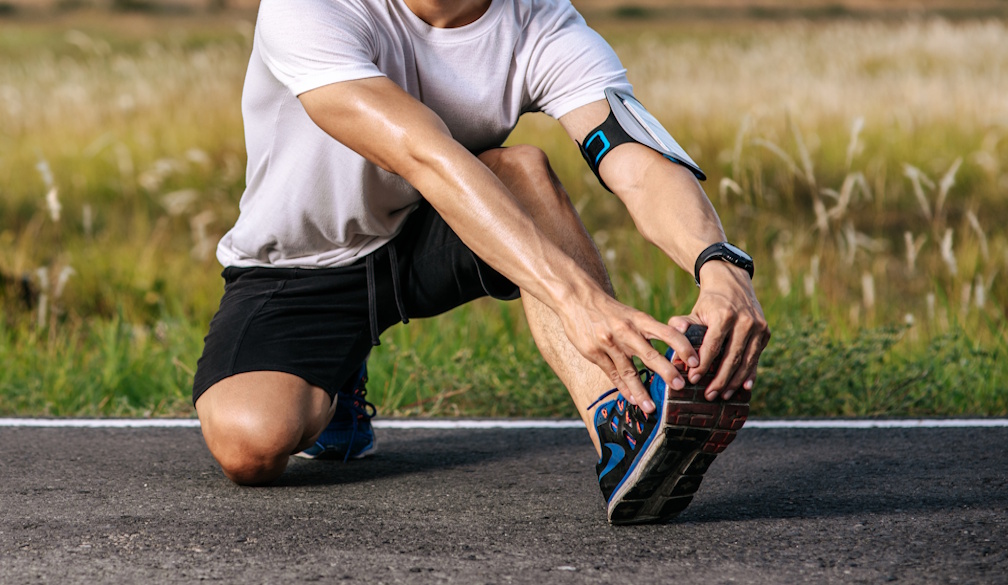
If you have wide feet and run frequently, you may have encountered this annoying issue.
A new pair of running shoes seems satisfactory in the store. You engage in several brief runs. Next, the extended sessions commence. Your toes are experiencing discomfort. The edges of your feet begin to chafe. You obtain hotspots. There is a sensation of pressure beneath the ball of your foot. Your feet seem to tire more quickly than expected.
Eventually, you may begin to question if running is truly your activity of choice.
The reality is, it could be something beyond your physical form. Your shoe width could be the issue.
A significant number of runners in Australia are using footwear that does not adequately accommodate their foot shape. They increase in length to provide additional space, yet this frequently results in heel slippage and a lack of stability. They find themselves with shoes that may be longer, yet still lack comfort in the crucial areas.
That’s precisely the reason for the existence of 4E width. 4E running shoes are not merely a “special request” for a small segment. For numerous men, they represent the distinction between uncomfortable running and steady, injury-free training.
This guide outlines the significance of 4E, its importance in training, and its potential to mitigate minor issues that can escalate into larger challenges.
Why shoe width matters more than most runners realise
Runners discuss aspects like cushioning, drop, and carbon plates. However, width frequently serves as the unspoken factor that can derail a deal.
Your foot experiences a slight expansion while running. It heats up, expands slightly, and disperses upon contact.
A narrow shoe restricts the foot's necessary space. Rather, it undergoes compression. The increase in compression results in heightened pressure and friction, potentially leading to:
- Toe pain and numbness
- Blisters and hotspots
- Side-of-foot rubbing
- Forefoot fatigue
- Altered running form to “avoid” discomfort
The final point holds significant value. When you instinctively alter your stride to safeguard a painful area, you transfer stress to different joints and tissues. As time progresses, this can lead to injuries.
Width encompasses more than just comfort. It has the potential to influence biomechanics.
What does “4E” actually mean?
4E designates a shoe width that is extra-wide, primarily applicable to men's footwear.
In simple terms:
Standard width for men is usually “D.”
Wide is often “2E.”
Extra wide is often “4E.”
While not every brand adheres to the same internal design, a 4E width typically indicates a noticeably wider fit in the forefoot area compared to standard widths.
After years of cramming into regular shoes, experiencing a genuine 4E fit can be a breath of fresh air.
Signs you might need 4E running shoes
There's no need for an elaborate foot scan to identify potential width problems.
If you frequently encounter any of these issues, your shoes might be too narrow:
Your pinky toe grazes the edge of the shoe.
There is a sensation of pressure at the ball of the foot.
Your toes experience discomfort or a lack of sensation while running.
Blisters form on the sides of your forefoot.
Your feet feel comfortable in the morning but become constricted during extended runs.
You frequently adjust your laces to alleviate discomfort.
You opt for larger sizes for added comfort, yet still find yourself feeling constricted.
For numerous runners, these indicators are merely their feet requesting additional width.
Why narrow shoes can increase injury risk
Let’s maintain a practical perspective. Shoes are not the sole reason for every injury.
However, shoes that do not fit well can elevate stress levels and diminish consistency.
Narrow shoes can practically increase the risk of injury.
They change how you land and push off
When your forefoot feels constricted, it can alter your push-off mechanics. To enhance comfort, consider adjusting your foot roll or reducing your stride length.
These minor compensations can create additional stress in other areas.
They increase friction and skin breakdown
While blisters may seem minor, they can significantly disrupt training consistency. They lead runners to change their stride or miss workouts. Such inconsistency frequently results in hurried training sessions down the line, potentially heightening the risk of injury.
They reduce stability
When runners increase their length to create more “space,” the heel may lose some stability. Heel slip and excessive movement can compromise your foot's stability, particularly during turns or on uneven surfaces.
A 4E width frequently provides a more suitable length match, ensuring ample space while maintaining heel stability.
They can aggravate forefoot pressure
Narrow shoes can create excessive pressure under the forefoot for those with wider feet. This can lead to fatigue and soreness over time, particularly for runners who are ramping up their mileage.
Why Australian runners in particular feel this problem
Australia is a nation on the move. Individuals engage in running for various reasons, including fitness, competition, stress management, and as a part of their lifestyle. A multitude of runners engage in training on pavements, shared paths, and extensive coastal routes.
That often means:
- Hard surfaces that increase impact.
- Longer steady runs where fit issues show up.
- Heat, which can increase foot swelling.
In warm conditions or during longer distances, the impact of the wrong width becomes apparent more quickly.
A shoe that seems comfortable during a cool indoor fitting can become constricting on a 10km run in the summer heat.
What to look for in good 4E running shoes
A shoe that is wider isn't necessarily superior. It must align perfectly with the entire foot.
Here’s what matters.
A roomy forefoot without toe squeeze
This represents the essence of 4E. Your toes ought to feel at ease, not constricted.
A secure heel and midfoot
Wide does not equate to careless. Your heel should remain secure to prevent any slipping.
Cushioning that suits your training
Certain runners prefer enhanced cushioning for their pavement runs. Some prefer a more solid sensation for enhanced responsiveness. Regardless, you desire cushioning that provides a sense of stability, rather than instability.
Breathability that supports long runs
Heat and moisture may elevate friction levels. Breathable uppers and quality socks enhance foot comfort in Australian conditions.
A shoe you’ll actually wear consistently
The ideal shoe is one that allows you to train consistently without any distraction from discomfort in your feet.
If a shoe requires you to endure discomfort, it’s not suitable for regular training.
How to fit 4E running shoes properly
Don’t rush this part.
Test out shoes using the socks you typically wear while running.
Consider trying them later in the day when your feet have a bit more fullness.
Rise and assess the toe space. Your toes must avoid contacting the front.
Take a stroll and incorporate some light jogging steps at home while shopping online.
Focus on the pressure points located near the little toe and along the sides of the forefoot.
The appropriate width typically provides a significantly more comfortable experience, particularly at the front of the shoe.
Where to start browsing 4E options in Australia
For a clear and efficient way to discover a variety of running-friendly footwear in Australia, begin your journey here: 4e running shoes.
FAQs
Are 4E running shoes only for very wide feet?
These shoes cater to those with extra-wide requirements, yet numerous runners opt for 4E as standard options often feel constricting, particularly during extended runs or in warmer conditions when feet tend to expand.
Can I just size up instead of buying 4E?
Increasing the length can lead to heel slippage and a lack of stability. If forefoot tightness is your primary concern, adjusting the width is often the more effective solution.
Will 4E shoes feel loose?
A properly fitting 4E shoe should not feel loose at all. The forefoot and toe area ought to provide ample space, while ensuring a snug fit around the heel and midfoot.
Do 4E shoes reduce blisters?
They frequently assist since numerous blisters arise from friction due to constriction and abrasion. Choosing the right socks for moisture management is essential, so opt for smooth running socks.
Should beginners consider 4E shoes?
If someone new to this has wider feet or experiences discomfort in regular shoes, then yes. Initial ease fosters reliability. Steady practice is what develops fitness securely.
Are 4E running shoes slower or heavier?
Not necessarily. Just because something is wide doesn't imply that it's heavy. The weight of a shoe is influenced by its design and the type of cushioning used. A comfortable fit that allows for regular training is essential.
Your width is not a small detail
If you have wide feet, shoe width is an important consideration. This serves as a foundational training platform.
When your toes have space, your stride feels more effortless. When your forefoot has ample space, you can run for extended periods without discomfort. As fitness enhances, consistency follows suit. Consistency is the true key to training without injuries.
Transitioning from narrow shoes to 4E running shoes can be one of the easiest enhancements you make for improved comfort, confidence, and sustained progress over time.


