

Why Industrial Drying Equipment Is Essential for Consistent Production
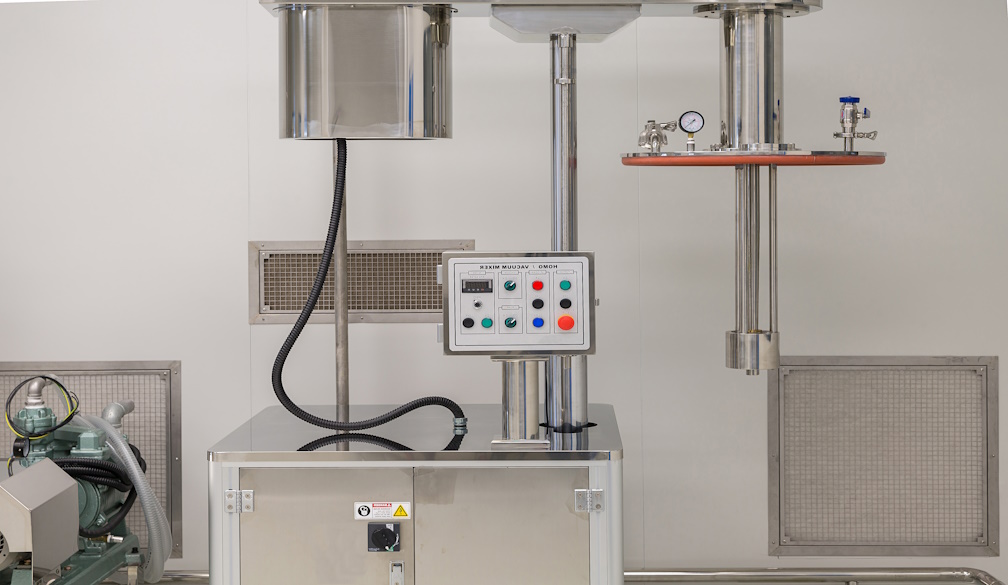
Moisture control is a critical factor in many industrial processes, making industrial drying equipment a key component in manufacturing, processing, and production environments. From food and pharmaceutical industries to chemical and materials processing, effective drying ensures product stability, equipment protection, and consistent output quality. Without proper moisture removal, production lines can face inefficiencies, defects, and costly downtime.
Industrial environments often deal with high humidity, liquid-based processes, or compressed air systems that introduce moisture. Drying equipment is designed to remove this excess moisture efficiently, helping operations run smoothly and reliably.
Understanding the Role of Moisture Control
Moisture can have a significant impact on industrial operations. Excess humidity can lead to corrosion, microbial growth, and compromised product quality. In manufacturing processes, even small amounts of moisture can affect material properties, leading to defects or inconsistencies.
Industrial drying equipment addresses these challenges by maintaining controlled moisture levels. This control ensures that processes remain stable and products meet required specifications, supporting overall operational efficiency.
Improving Product Quality and Consistency
In many industries, moisture content directly influences product performance. Food products, pharmaceuticals, and chemicals all require precise drying to maintain quality and safety. Inadequate drying can result in spoilage, reduced shelf life, or non-compliance with standards.
Effective drying ensures uniform moisture levels across batches, reducing variability. This consistency supports quality assurance efforts and helps maintain customer trust by delivering reliable products every time.
Protecting Equipment and Infrastructure
Moisture is a leading cause of equipment degradation. Condensation and humidity can lead to rust, corrosion, and mechanical failure over time. Industrial drying equipment helps protect valuable machinery by removing moisture before it causes damage.
By maintaining dry operating conditions, equipment lifespan is extended, and maintenance costs are reduced. This protection contributes to fewer breakdowns and more predictable production schedules.
Enhancing Energy Efficiency in Operations
Modern industrial drying solutions are designed with energy efficiency in mind. By optimising the drying process, these systems minimise energy waste while achieving effective moisture removal. Efficient drying supports lower energy consumption and reduced operating costs.
Energy efficiency also supports sustainability initiatives. Reducing unnecessary energy use aligns with environmental goals and helps industries meet regulatory and corporate responsibility targets.
Supporting Reliable Compressed Air Systems
Many industrial operations rely on compressed air for powering tools, machinery, and control systems. Moisture in compressed air can cause significant problems, including equipment malfunction and product contamination. Industrial drying equipment plays a crucial role in ensuring clean, dry air throughout these systems.
Dry air improves reliability and performance. By preventing moisture-related issues, drying equipment supports consistent operation and reduces the risk of unexpected interruptions.
Adapting to Diverse Industrial Applications
Industrial drying equipment is used across a wide range of sectors, each with unique requirements. Different processes demand different drying methods, temperatures, and capacities. Modern drying systems are adaptable, allowing industries to select solutions that match their specific operational needs.
This adaptability ensures effective performance regardless of industry or application. Whether drying materials, air, or products, the right equipment supports optimal outcomes without compromising efficiency.
Reducing Downtime and Operational Disruptions
Unexpected moisture-related issues can bring production to a halt. Corrosion, blockages, or product defects caused by excess moisture often lead to downtime and costly repairs. Consistent drying reduces these risks, supporting uninterrupted production.
Reliable drying equipment helps maintain steady workflows. When moisture levels are controlled, processes run more smoothly, and disruptions are minimised, contributing to improved productivity.
Meeting Industry Standards and Compliance
Many industries are subject to strict standards related to moisture control and product safety. Industrial drying equipment supports compliance by ensuring that moisture levels remain within acceptable limits. This compliance is essential for passing inspections and maintaining certifications.
Maintaining consistent drying standards also demonstrates professionalism and responsibility. It reassures clients, regulators, and partners that quality and safety are prioritised.
Long-Term Cost Benefits
While industrial drying equipment represents an investment, the long-term financial benefits are substantial. Reduced product waste, lower maintenance costs, and improved energy efficiency all contribute to cost savings over time.
Consistent performance also simplifies planning and budgeting. When processes are reliable, businesses can operate with greater confidence and stability.
A Foundation for Efficient Industrial Operations
Industrial drying equipment is essential for maintaining quality, protecting assets, and supporting efficient production. By controlling moisture effectively, industries avoid common challenges and achieve consistent results.
As industrial processes continue to evolve, the importance of reliable drying solutions remains constant. Investing in effective drying equipment supports productivity, sustainability, and long-term operational success across a wide range of industries.


