


How to Choose the Right Loading Ramps and Plant Trailers for Your Machinery Fleet
Anyone running a fleet of mini excavators, bobcats, compact rollers, or elevated work platforms knows that the equipment doing the actual work is only half the story. The other half is getting that equipment on and off-site safely, quickly, and without damaging the machine, the vehicle, or the operator's back.
Loading ramps and plant trailers rarely get the attention they deserve in equipment purchasing decisions, yet the wrong choice in either category can cost a business far more in downtime, repairs, and safety incidents than the equipment itself is worth.
Why Loading and Transport Equipment Deserves More Attention
For businesses in construction, landscaping, civil works, plant hire, and agriculture, machinery movement happens daily. A crew might load and unload a mini excavator three or four times in a single day across multiple job sites. Multiply that by every working day of the year, and the cumulative wear on cheap or poorly matched ramps and trailers becomes significant, both in terms of equipment failure and the physical toll on whoever is operating them.
Businesses that treat loading equipment as an afterthought, buying whatever is cheapest or most readily available, tend to discover the cost of that decision the hard way: through bent ramps, trailers that sag under load, or braking systems that struggle to keep up with heavier machinery. Getting this equipment right the first time is almost always cheaper than replacing it after a season of heavy use.
Key Considerations When Choosing Loading Ramps
Match the Ramp to the Machine, Not Just the Weight Rating
It is tempting to choose ramps purely based on a maximum weight rating, but track type and width matter just as much. Rubber-tracked machinery, steel-tracked excavators, and wheeled equipment all interact differently with a ramp surface, and a ramp poorly suited to a particular track type can create traction issues or uneven wear during loading.
Consider Deck Height and Approach Angle
The height of the truck or trailer deck determines the angle of approach, and a ramp that is too short for the deck height creates a steep, potentially unsafe loading angle. This becomes particularly important for tracked machinery with a low ground clearance, where a steep approach angle risks the machine grounding out partway up the ramp.
Weight-to-Strength Ratio Matters More Than Raw Weight
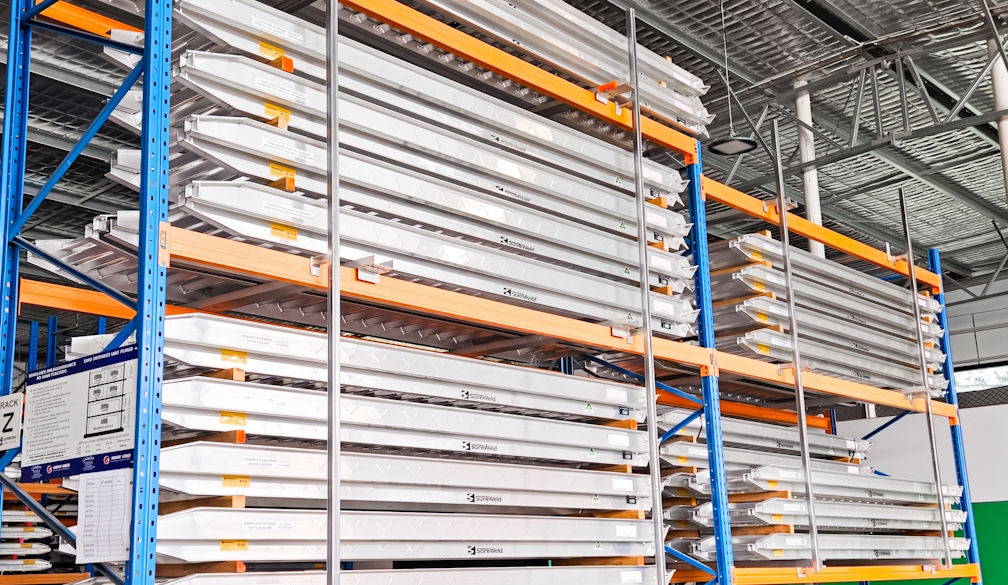
Heavier ramps are not automatically stronger or safer. Aluminium ramps engineered with the right structural design can match or exceed the load capacity of much heavier steel alternatives while remaining significantly easier for a single operator to manoeuvre and store. For businesses where crew members are regularly loading and unloading ramps by hand, this weight difference has a real impact on both efficiency and workplace safety.
Don't Overlook Certification and Compliance
Ramps used in commercial and industrial settings should meet relevant Australian safety standards. This is not just a compliance box to tick. Ramps that have not been engineered and tested to a recognised standard introduce genuine risk, particularly when supporting machinery worth tens of thousands of dollars, operated on uneven or wet surfaces.
Key Considerations When Choosing Plant Trailers
Tare Weight Directly Affects What You Can Tow and With What
One of the most overlooked factors in trailer selection is tare weight, the weight of the trailer itself before any load is added. A heavier trailer eats into the combined mass a towing vehicle can legally and safely pull, which in turn limits how heavy a machine can be loaded onto it. Businesses running lighter tow vehicles, such as utes or 4x2 fleet vehicles, often find that a lower tare weight trailer allows them to tow machinery that would otherwise require a heavier, more expensive tow vehicle.
Braking Systems Should Match the Load, Not Just the Legal Minimum
Trailers carrying machinery in the two to four tonne range need braking systems that are genuinely matched to that load, not simply compliant with the bare legal minimum. Businesses that have experienced trailer sway or extended stopping distances while towing loaded plant trailers often trace the issue back to underspecified brakes rather than driver error.
Think About Total Cost of Ownership, Not Just Purchase Price
A cheaper trailer that requires frequent repairs, replacement tyres, or premature chassis work will almost always cost more over its working life than a well-built trailer with a higher upfront price. For plant hire businesses and contractors running trailers daily, the difference between a trailer that lasts five years and one that lasts fifteen has a direct impact on the bottom line.
Customisation Can Solve Fleet-Specific Problems
Standard trailer configurations work for many businesses, but fleets with specific requirements, such as auger mounts, centre pans, or particular chassis sizes, often benefit from a build that can be configured around the actual machinery being transported rather than adapting operations to fit a generic trailer.
Why Australian-Made Matters for This Category
Loading ramps and plant trailers operate under real structural stress every time they are used, and the manufacturing standards behind them matter more here than in many other equipment categories.
Businesses sourcing Australian-made ramps and trailers benefit from equipment engineered specifically for Australian conditions, local machinery weight classes, and Australian safety standards, along with more straightforward access to warranty support and replacement parts than is typically available with imported alternatives.
This is a large part of why long-established Australian manufacturers such as SureWeld continue to be a common choice among plant hire companies, civil contractors, and agricultural businesses, offering a locally manufactured range of aluminium loading ramps and plant trailers built specifically for machinery such as mini excavators, bobcats, and compact rollers.
For businesses replacing ageing equipment or building out a fleet from scratch, working with a manufacturer that understands the specific demands of Australian machinery weight classes and terrain removes much of the guesswork from the buying decision.
Practical Steps Before Making a Purchase
Rather than choosing ramps or a trailer based on price alone, businesses are better served by working through a short checklist before committing.
- Confirm the actual weight and track type of every machine that will need to be loaded or towed, not just the heaviest one currently in the fleet.
- Check the deck height of the vehicles or trailers the ramps will be used with, to ensure a safe approach angle.
- Calculate combined towing mass carefully, factoring in trailer tare weight against the towing vehicle's rated capacity.
- Assess braking requirements honestly, particularly for trailers regularly carrying machinery above two tonnes.
- Factor in growth, choosing equipment with enough capacity headroom for machinery the business is likely to acquire in the next few years, rather than only what it owns today.
Final Thoughts
Loading ramps and plant trailers might not be the equipment that wins a business its contracts, but they are directly responsible for how efficiently and safely that equipment gets to and from every job site. Businesses that invest the time to match ramps and trailers properly to their machinery, rather than defaulting to the cheapest available option, consistently report fewer breakdowns, safer loading processes, and lower long-term costs.
As fleets grow and machinery gets heavier, getting this part of the operation right becomes less of a convenience and more of an operational necessity.
Frequently Asked Questions
What's the difference between choosing a ramp by weight rating alone versus track type?
Weight rating tells you the maximum load a ramp can handle, but track type and width affect traction and stability during loading. A ramp poorly suited to a machine's track type can cause slipping or uneven wear even if the weight rating is sufficient.
Why does tare weight matter so much when choosing a plant trailer?
Tare weight is the trailer's own weight before any load is added, and it directly affects how much machinery a towing vehicle can legally and safely pull. A lighter trailer often allows businesses to tow heavier machinery without upgrading their tow vehicle.
Are aluminium ramps strong enough compared to steel?
Well-engineered aluminium ramps can match or exceed the load capacity of much heavier steel ramps, while being significantly lighter and easier for a single operator to handle and store.
What braking system do I need for a plant trailer carrying two to four tonnes?
Trailers in this weight range need braking systems genuinely matched to the load, not just the bare legal minimum. Underspecified brakes are a common cause of trailer sway and extended stopping distances.
Does buying Australian-made ramps and trailers actually make a difference?
Yes. Australian-made equipment is typically engineered for local machinery weight classes, terrain, and safety standards, and comes with more straightforward access to warranty support and replacement parts than imported alternatives.
How do I know if I need a custom trailer build instead of a standard configuration?
If your fleet has specific requirements, such as particular chassis sizes, auger mounts, or centre pans, a configurable or custom build usually solves problems that a generic standard trailer can't.