


5 Warning Signs Your Roof Needs Repair Before the Next Storm Season
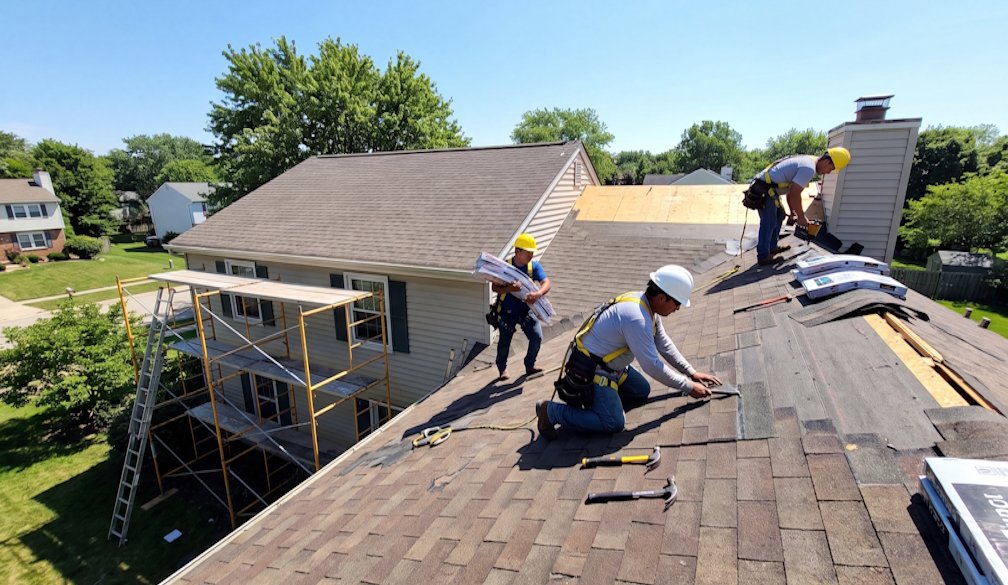
Missing or curling shingles, granules pooling in the gutters, a sagging roofline, visible daylight in the roof cavity, and rising energy bills are the five most reliable early signs a roof needs repair. Addressing these before storm season is almost always cheaper than repairing hidden water damage after a leak appears.
Most homeowners only think about their roof when water starts coming through the ceiling. By that point, the damage is usually well underway and the repair bill is a lot higher than it needed to be. A roof rarely fails overnight; it gives off warning signs for months, sometimes years, before a leak becomes visible indoors. Knowing what to look for can be the difference between a same-day patch and a full replacement.
1. Missing, Cracked, or Curling Shingles/Tiles
Wind, hail, and UV exposure all take a toll on roofing material over time. If you notice tiles or shingles that are cracked, lifted at the edges, or missing altogether after a storm, that section of the roof has lost its ability to shed water properly. Even a handful of damaged tiles can let moisture into the underlying structure, so it's worth having them assessed rather than assuming they're a cosmetic issue.
2. Granules Collecting in the Gutters
For homes with asphalt or composite roofing, granule loss is one of the earliest signs of ageing. These granules protect the material underneath from UV damage, and once they start washing into the gutters in noticeable amounts, the roof's protective layer is wearing thin. It's not usually an emergency on its own, but it's a signal to get an inspection scheduled before the next heavy rain.
3. Sagging Rooflines
A roofline should be straight and even. Any dip or sag, particularly around valleys or near the ridge, often points to structural moisture damage or a weakened support frame. This is one of the few signs that shouldn't wait; a sagging section can indicate the roof deck is failing and continuing to bear weight (including foot traffic for any repair work) is a genuine safety risk.
4. Daylight in the Roof Cavity
If you can get into the roof space, check for any points where daylight is visible through the roof itself. Even pinhole gaps are enough to let water in during driving rain, and they're often invisible from ground level. This is a quick check worth doing seasonally, especially before storm season sets in.
5. Rising Energy Bills
A roof in poor condition affects more than water tightness. Gaps, damaged insulation, and poor ventilation let conditioned air escape, which shows up as a gradual increase in heating and cooling costs. If your energy bills have crept up without an obvious cause, it's worth having the roof checked alongside the usual insulation and sealing review.
Catching these signs early is almost always cheaper than dealing with the water damage, mould, and structural repairs that follow a hidden leak. If any of the above sound familiar, it's worth getting a professional opinion from a licensed roofing contractor who can assess the full roof rather than just patching the visible symptom. A proper inspection typically takes less than an hour and can save thousands in avoidable repair costs down the line.
When Repair Isn't Enough
If several of these signs show up at once, spot repairs may only buy a short amount of time. In that case it's worth asking a professional whether a roof restoration is the more cost-effective path, since it addresses the roof as a whole (resealing, repointing, and recoating) rather than patching individual problem areas one at a time.
Whatever the age of your roof, a seasonal check before storm season is one of the simplest pieces of home maintenance you can do, and one of the most commonly skipped.
Frequently Asked Questions
How urgently should I act on roof damage?
Sagging or structural signs should be assessed within days. Cosmetic issues like minor granule loss can usually wait for a scheduled inspection, but shouldn't be ignored for more than a season.
Can I inspect my own roof for damage?
A visual check from the ground and a look through the roof cavity for daylight are safe to do yourself. Walking on the roof itself is best left to a professional with the right safety equipment.
Does home insurance cover storm-related roof repairs?
Most Australian home insurance policies cover sudden storm damage, but not gradual wear and tear. Get repairs documented with photos and a professional assessment soon after a storm to support any claim.