

The Business Case for Reliable Liquid Waste Removal
Running a business comes with enough headaches without adding environmental violations, regulatory fines, or operational shutdowns to the list. Yet some Australian businesses, from busy commercial kitchens to industrial manufacturing sites, underestimate just how much their day-to-day operations depend on a solid liquid waste management strategy. When something goes wrong with your waste systems, everything else grinds to a halt.
What you spend on reliable waste removal today is almost always less than what you'll pay in penalties, repairs, or reputational damage tomorrow. This piece breaks down the real business case for taking liquid waste seriously, covering compliance, operational efficiency, environmental responsibility, and what to look for in a service provider.
Liquid Waste and Its Dangers
The type of waste your operations produce matters enormously. Each category is handled differently. Hazardous waste soils from contaminated sites, for example, require specialised disposal pathways. Non-hazardous waste, while less strictly controlled, still needs proper documentation and disposal.
On any given site, you might be dealing with oily water from workshop floors, flammable solvents from manufacturing processes, or wastewater treatment plant sludge from on-site treatment systems.
Grease traps in commercial kitchens accumulate fats, oils, and food solids faster than most managers realise. Ignoring them creates odour problems and risks blocking your connection to the public sewer system, which can trigger a council investigation.
Why Businesses Can't Afford to Ignore Liquid Waste Management
Western Australia has specific environmental standards, and the consequences of non-compliance hit harder than most business owners expect. The penalties for falling short aren't just financial, but they can affect your operating licence entirely.
Working with liquid waste removal South WA companies rely on helps protect your business from shutdowns, legal exposure, and reputational damage. These service providers offer compliant and efficient waste management services, whether you operate a processing facility, a food service business, or a remote industrial site.
Proactive Maintenance as an Investment
One persistent challenge across industries is the gradual build-up of waste that disrupts operations before anyone notices a problem. Blocked drainage systems, overflowing holding tanks, and poorly maintained treatment infrastructure don't fail overnight. They deteriorate slowly until one day they don't work at all.
That's where liquid waste pump out & cleaning services make a measurable difference. Regular pump outs and cleaning of key infrastructure keep your operations running without unplanned interruptions. Consider what this looks like in practice across different business types:
- Food and hospitality businesses rely on grease trap servicing, sump cleanout, and stormwater and drainage clearing to stay operational and hygienic. Without these, fats and solids build up until drainage fails.
- Industrial and manufacturing sites need scheduled removal of used oil, liquid, and sludge from process equipment, paint waste, and other by-products. Missed collections don't just create a mess but become a safety and compliance problem.
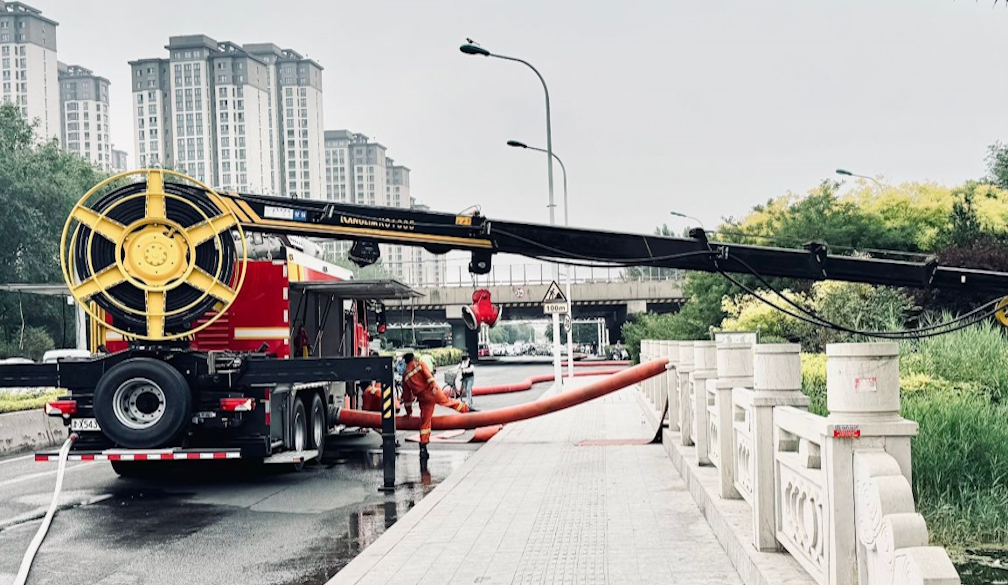
Specialist providers handle this work using vacuum trucks and specialty equipment designed for exactly these conditions. They can service everything from portable toilets and site toilet pump outs to large-scale septic tank pump outs on commercial properties. The right provider brings modern equipment matched to the job, not a one-size-fits-all approach.
Inadequate liquid waste infrastructure creates problems far beyond the business gate. Clogged and malfunctioning drainage, toilet, and septic tank systems leak into groundwater. That’s why upgrading and restoring these facilities are part of the Chinese government’s initiatives to preserve the Yangtze River, Asia’s longest. It’s a stark reminder that poor waste management is a global challenge with local consequences.
Regular servicing through wastewater and septic systems maintenance keeps risks firmly in check. For commercial customers operating across multiple sites, consistent scheduling with a single reliable provider also simplifies record-keeping and ensures guaranteed compliance with state regulations.
The Hidden ROI of Sustainable Waste Management Practices
Responsible liquid waste management doesn't end at pump outs and disposal. Increasingly, Australian businesses are looking at the full water cycle, including what can be recovered, treated, and reused rather than simply discarded.
Australia’s guidelines for harvesting and reusing stormwater set out clear frameworks for how captured runoff can be treated and put back to use in irrigation, industrial processes, and other non-potable applications. Businesses located near a wastewater treatment facility may also have access to recycled water schemes that reduce their reliance on the mains supply. These aren't just environmentally sound choices; they often reduce operating costs over time.
Site remediation projects, where contaminated soil and liquid wastes are recovered and treated, represent another area where sustainable thinking pays off. Rather than treating waste removal as a cost centre, forward-thinking businesses view it as part of a broader resource management strategy. It aligns with liquid waste regulations and supports long-term operational resilience.
Choosing a Provider That Matches Your Needs
Not all waste removal services are created equal. Small companies may offer lower rates but lack the equipment range, licensing, or capacity to handle complex or high-volume jobs reliably. When evaluating providers, look beyond price.
Ask about their licensing for hazardous and non-hazardous waste streams, their fleet of vacuum trucks, whether they use modern equipment suited to your specific infrastructure, and their quality-of-service record with similar clients. A provider worth hiring will be transparent about what they can handle and honest about what they can't.
The Real Cost of Getting It Wrong
Reliable liquid waste management is a business decision, not just a compliance exercise. Get it right, and your operations stay smooth, your environmental record stays clean, and your liability stays low. Get it wrong, and you're looking at fines, emergency call-outs, remediation costs, and the kind of regulatory scrutiny that follows a business for years. The case for doing it properly has never been stronger.


